


How Custom Rotational Molding Transforms Plastic?
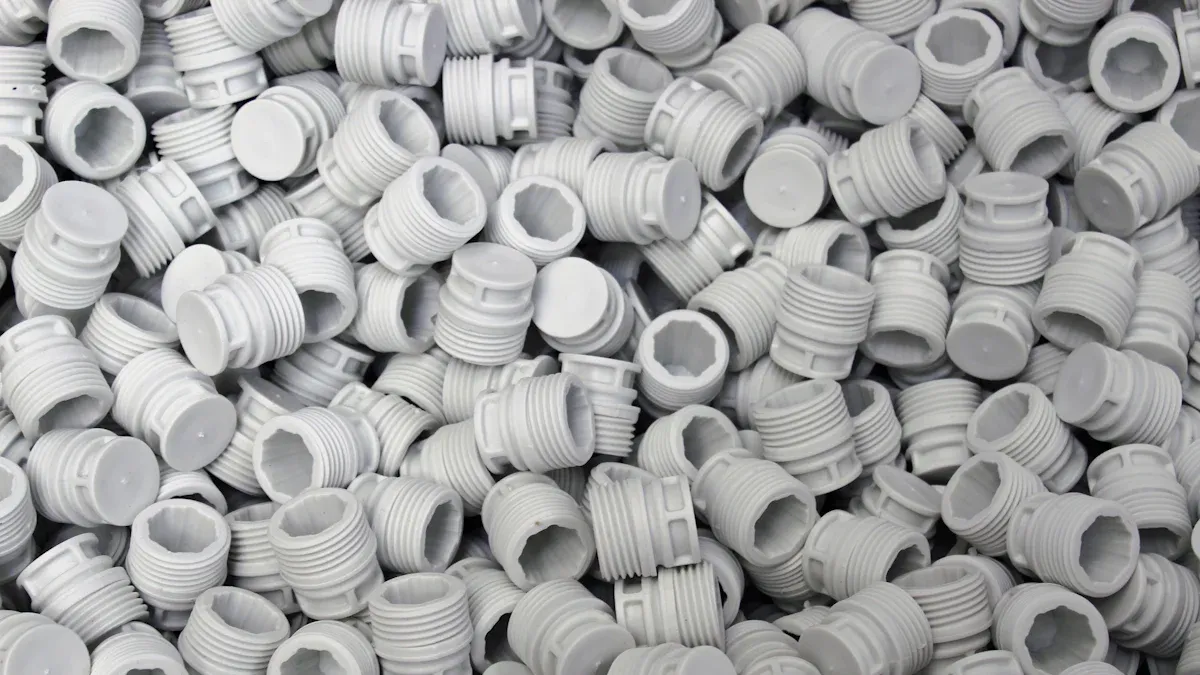
Custom Rotational Molding transforms raw plastic materials into durable, hollow products. This manufacturing process creates strong, seamless items. The industry saw aUS$ 7240 millionmarket size in 2023. Experts project it will grow to US$ 10460 million by 2030, a 5.4% annual rate, often utilizing a specific custom rotational Molding Mold.
Key Takeaways
- Custom rotational molding makes strong, hollow plastic products. It uses a special process where plastic melts inside a spinning mold. This creates items with even walls and no weak spots.
- This method saves money for smaller orders. Its molds cost less than other ways to make Plastic Parts. It also lets designers create many different shapes and sizes.
- Rotational molding makes very durable products. These items last a long time. They are useful for many things, like kayaks, tanks, and medical devices.
Understanding the Custom Rotational Molding Process
Custom rotational molding takes plastic from raw material to a finished product through several key steps. This process ensures each item meets specific design needs.
Material Preparation and Loading
First, manufacturers prepare the plastic material. They typically use plastic in powder or pellet form. Many different types of plastic work well for this process.
- Polyethylene (PE): This is a very common choice. It comes in different grades:
- LLDPE (Linear Low-Density Polyethylene): Great for impact resistance and flexibility.
- MDPE (Medium-Density Polyethylene): Balances stiffness and toughness.
- HDPE (High-Density Polyethylene): Offers high strength and chemical resistance.
- LDPE (Low-Density Polyethylene): Light and flexible.
- XLPE (Cross-Linked Polyethylene): Provides enhanced toughness and heat tolerance.
- Polypropylene (PP): This material resists chemicals very well and is rigid.
- Nylon (Polyamide / PA): It gives exceptional strength and heat stability.
- Polycarbonate (PC): Known for high impact resistance and clear finishes.
- Polyvinyl Chloride (PVC): Manufacturers can make it flexible or semi-rigid.
- EVA Co-Polymer (Ethylene Vinyl Acetate): This flexible, rubber-like plastic handles UV and cold temperatures well.
Workers carefully measure the right amount of plastic material. Then, they load it into one side of a hollow mold.
Heating and Rotation of the Custom Rotational Molding Mold
After loading the plastic, the custom rotational molding mold moves into a large oven. The oven heats the mold to high temperatures.
| Parameter | Range/Value |
|---|---|
| Temperature | 250 to 300°C |
| Rotation Speed | 4 to 20 RPM |
The mold rotates on two axes at the same time. This rotation ensures the plastic powder or pellets stick to the inside walls of the custom rotational molding mold. As the mold heats, the plastic melts and forms a uniform layer. The continuous rotation prevents the plastic from sagging or pooling. This step is crucial for creating a consistent wall thickness.
Cooling and Demolding
Once the plastic fully melts and coats the mold's interior, the mold moves out of the oven. It then enters a cooling chamber. Cooling the part correctly is very important to prevent warping or stress.
Manufacturers use different cooling methods:
- Air Cooling: This method uses natural air or fans. It cools the part slowly and costs less.
- Water Cooling: This involves spraying water or mist onto the mold. It cools parts faster, especially thicker ones.
To avoid thermal shock, a common practice is to start with forced air cooling. Then, they switch to a water mist. This gradual approach helps the plastic cool evenly. Consistent rotation of the mold continues during cooling. This ensures heat leaves the part uniformly. After the part cools enough, workers open the custom rotational molding mold and remove the finished product.
Finishing and Quality Control
After demolding, the part often needs some finishing touches. Workers might trim excess plastic or add inserts.
Quality control is a vital step. Manufacturers perform several checks to ensure the product meets standards:
- They monitor process variables to keep a good part finish.
- They define "critical to quality" aspects for specific inspection processes.
- They translate customer needs into measurable requirements.
- Each department receives a specification sheet and a quality assurance checklist.
- They document and monitor any non-conforming parts. This helps them improve the process over time.
Sometimes, they use wireless thermocouples. These tools transmit internal mold temperature data to a computer. This helps them know when the plastic is fully cured. These checks ensure every product is strong, durable, and ready for use.
Key Advantages of Custom Rotational Molding
Custom rotational molding offers many benefits. It stands out from other plastic manufacturing methods. These advantages make it a top choice for many industries.
Design Flexibility and Complex Geometries
Rotational molding gives designers a lot of freedom. It creates complex parts with intricate features. Think about items with double walls, molded-in inserts, or undercuts. It also handles detailed contours very well. This process makes uniform wall thickness, even in corners and edges. Other methods, like blow molding, often stretch material thin in these spots.
You can easily make double-walled parts without extra welding. This leads to seamless edges and stronger products. The process produces large hollow parts. The size of the heating and cooling chambers is the only limit. You can also add textures and symbols directly onto the mold surface. This includes molded-in threaded inserts and fittings. You can even mold in aluminum or stainless steel components like tubing. Curves and transitions blend smoothly for better looks and durability. Ribs and kiss-offs add strength and rigidity. You can even make foam-filled double-walled products for insulation. Coolers, spine boards, and floats are good examples. Spin weld fittings, bulk head fittings, and mold-in or post-mold graphics are also possible.
Cost-Effectiveness for Low to Medium Volumes
Rotational molding saves money for smaller production runs. Injection molds cost much more, sometimes 15 to 20 times more than rotational molding tooling. This is because injection molding needs very high pressures. Injection molding also has high setup costs for short runs. Rotational molding avoids these high costs. Its molds typically cost only 1/3 to 1/4 of injection molds. While rotational molding might have higher material costs due to thicker walls, its enhanced durability can lead to reduced long-term replacement expenses. This makes it a smart choice for custom projects or low to medium volume needs.
Uniform Wall Thickness and Stress-Free Parts
Rotational molding makes parts with very even wall thickness. It does this even for complex shapes. During the process, the mold heats and rotates along two axes at the same time. This dual rotation continues throughout the heating phase. It causes the plastic material to melt and evenly coat the inside surface of the mold. This distributes the molten plastic uniformly. It creates a consistent wall thickness. This process works very well for large, hollow structures. It keeps wall thickness uniform within about ±10 percent. This is a big improvement over other molding processes. Also, the molding process uses no outside pressure. This results in parts with almost no stress. Stress-free parts have fewer defects and are more stable. This is true even for very complex designs. Precision rotational molding (PRM) uses this bi-axial rotation. It ensures the resin spreads evenly.
Reduced Tooling Costs and Simplified Tool Management
Tooling costs are a major advantage for rotational molding. The molds are much simpler than those for other methods. This means less money upfront. Look at this comparison:
| Molding Type | Tooling Cost (Relative) | Tooling Cost (Case Study - 50 Gallon Trash Can) |
|---|---|---|
| Rotational Molding | 1x | $20,000 |
| Blow Molding | 6-10x | $210,000 |
This table shows a huge saving. Lower tooling costs mean less money upfront. It also makes managing tools easier. You do not need complex, high-pressure tools for a custom rotational molding mold. This makes the whole process more accessible and less expensive to start.
Durability and Product Longevity
Products made with rotational molding last a very long time. For example, items used in the renewable energy sector can last over 20 years without corrosion. Polyethylene is a common material in this process. It has an "extremely long-life span." Many consider it one of the most durable materials. Rotomolded polyethylene parts can stay outside in the sunlight. They show very little damage. Polyethylene also resists harsh chemicals. This makes products like chemical tanks last longer. The rotational molding process itself creates "incredibly long lasting" products. The stress-free nature of the parts adds to their strength and lifespan.
Diverse Applications of Custom Rotational Molding
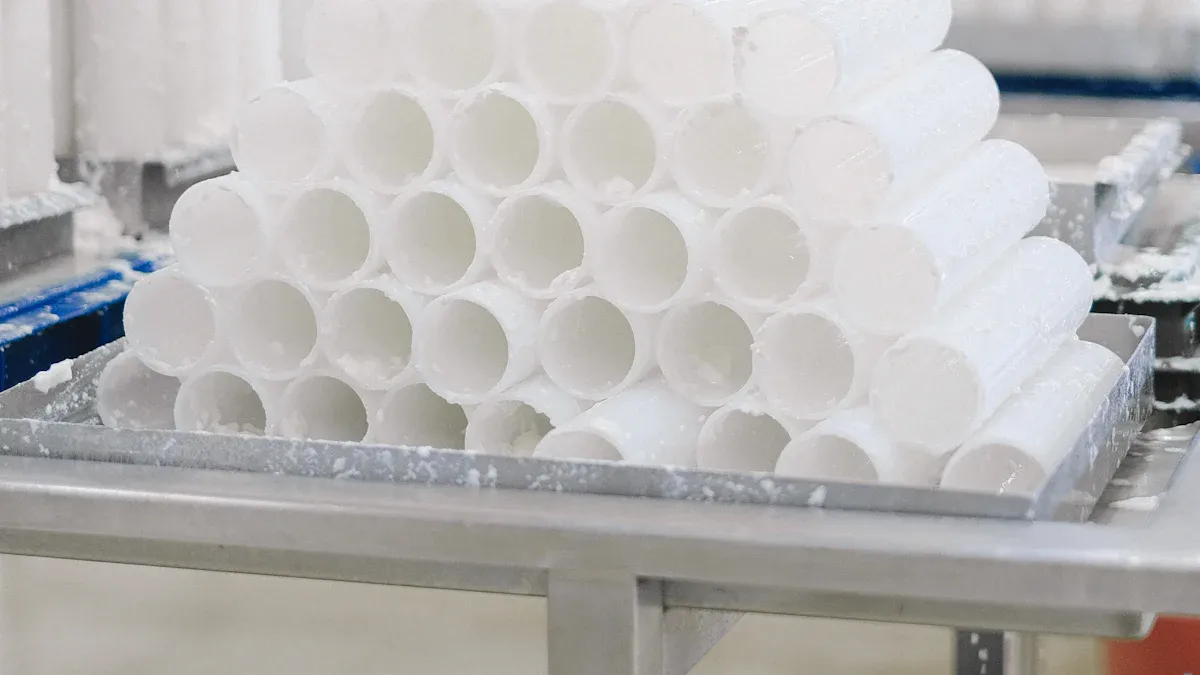
Custom rotational molding helps make many different products. Its flexibility and strength make it useful across many industries.
Industrial Containers and Tanks
Industries use custom rotational molding for many types of containers and tanks. These items need to be strong and hold a lot. For example, manufacturers create:
- Plastic bins and bulk containers for handling materials.
- Large storage tanks, from five to over 20,000 gallons, for commercial, agricultural, and industrial use.
- Tote bins and water softening tanks.
- Septic tanks and holding tanks for waste treatment.
Recreational Equipment (e.g., Kayaks, Playground Equipment)
Rotational molding makes durable gear for fun. It creates items that can handle rough play and outdoor conditions. Common examples include:
- Kayaks and canoes.
- Playground equipment.
- Outdoor furniture.
Agricultural Components
Farmers rely on tough equipment. Custom rotational molding helps make many parts for agricultural vehicles. This includes:
- Plastic consoles and fenders.
- Ductwork and other parts for tractors, combines, and sprayers.
Medical Devices
The medical field also uses custom rotational molding. It helps create safe and reliable products. These can be:
- Support objects like backboards and spine boards.
- Smaller parts for complex devices, such as surgical equipment components.
- Containers for dialysis machines.
- Hollow items like squeeze bulbs for medical equipment.
Marine Products (e.g., Buoys, Docks)
Marine products need to withstand harsh water environments. Rotational molding makes them strong and long-lasting. For instance, it produces:
- Dock floats and no-wake buoys.
- Kayak and jet-ski docks.
- Helms and captain's chairs for boats.
- Special plastic fish tubs for the seafood industry. These tubs prevent leaks and keep fish fresh.
Custom Plastic Parts
Beyond these specific categories, custom rotational molding creates countless unique plastic parts. This process allows for great design freedom. You can find rotomolded parts in:
- Plastic boats and watercraft.
- Housings for lawn equipment and architectural lighting.
- Point-of-purchase displays for beverages.
- Even plastic shopping cart accessories. The versatility of a custom rotational molding mold allows for a wide range of innovative products.
Custom rotational molding offers a versatile, efficient method. It creates complex, durable, and cost-effective plastic products. This process produces low-stress, hollow parts. Its design flexibility makes it a transformative solution across various industries. It truly changes how people make plastic items.
FAQ
What types of plastic does rotational molding use?
Rotational molding uses many plastics. Common ones include polyethylene (LLDPE, HDPE), polypropylene, nylon, and polycarbonate. Each offers different benefits like strength or flexibility. 💡
How does rotational molding make parts strong?
The process rotates the mold as plastic melts. This creates uniform wall thickness. It also makes parts with very little internal stress. This results in durable, long-lasting products. 💪
Is rotational molding cost-effective for small orders?
Yes, it is. Tooling costs are much lower than for injection molding. This makes it a smart choice for low to medium production volumes. 💰