


Rotational Molding is the Future of Farm Equipment 2025
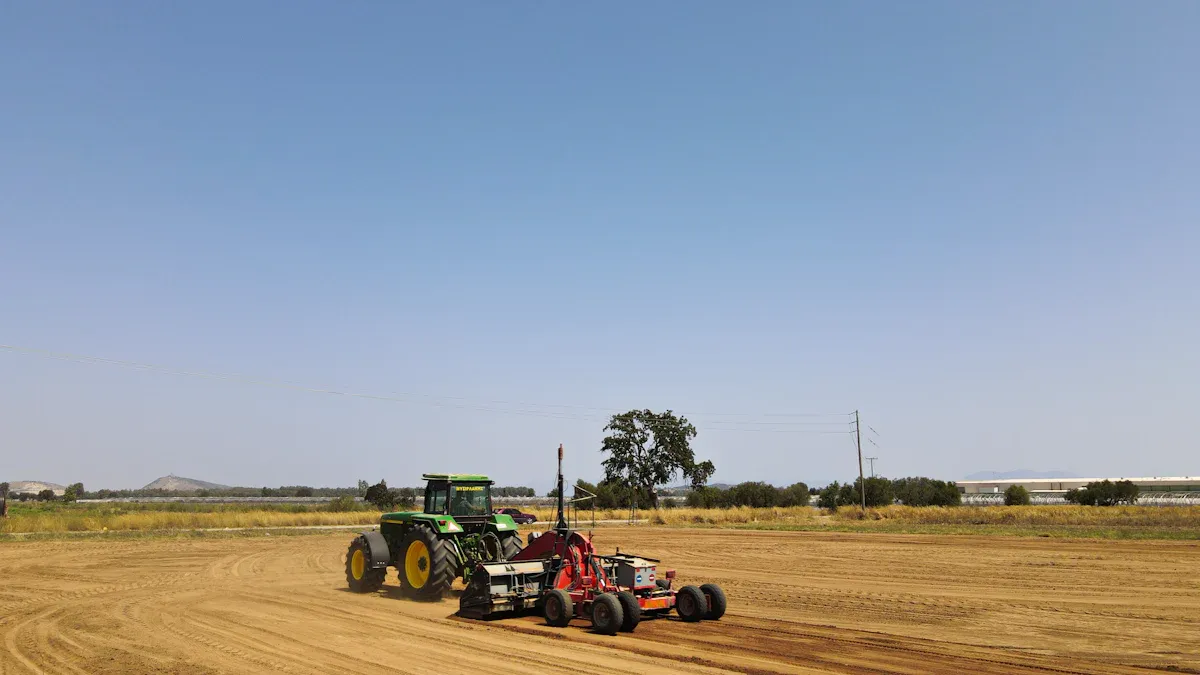
Rotational Molding revolutionizes agricultural equipment. It offers unparalleled durability, customization, and cost-effectiveness. This innovative manufacturing method redefines how farmers design and utilize their tools. The agricultural equipment market, projected to reachbillions by 2025, demands such advanced production techniques for its continued growth.
Key Takeaways
- Rotational molding makes farm equipment very strong. It creates one-piece parts that resist damage from impacts, chemicals, and bad weather. This means farm tools last longer and need fewer repairs.
- This method helps farmers get custom parts for their specific needs. It also costs less to make these parts in smaller amounts. This saves money and helps farmers get the right tools for their work.
- Rotational molding uses new technology to make farm equipment better. It can add features like germ-fighting materials and use recycled plastics. This makes farming more efficient and cleaner for the future.
Rotational Molding for Unmatched Durability and Design
Defining the Rotomolding Process
Rotational molding is a unique manufacturing method. It creates hollow, seamless Plastic Parts. The process begins when workers loadpulverized plastic resin, often polyethylene, into a hollow mold. Next, the mold moves into an oven. It rotates on two axes at different speeds. This heating melts the resin. The rotation ensures an even coating of molten plastic on the mold's inner walls. After heating, the mold moves to a cooling chamber. Fans or water spray cool it while it continues to rotate. This solidifies the plastic. Finally, workers open the mold and remove the finished part. A mold release agent often helps with this step.
Seamless One-Piece Design for Enhanced Strength
Rotational molding creates parts in a single piece. This design eliminates weak points like joints or weld lines. These weak points are common in other manufacturing methods. This seamless construction provides enhanced strength. It also reduces the chance of leaks. This is very important for agricultural tanks and barriers. Rotomolded products have uniform wall thickness. They also use flexible materials. These features help them absorb impacts well. They prevent cracking or splitting, even under pressure. This makes them very durable for tough farm conditions. For example, large protective covers for combine harvesters can be made as single pieces. These covers can be very big, like 6' x 6'. They have structural ribbing built in for strength and weather resistance. One-piece housings can combine many smaller parts into one. This removes assembly work and potential failure points. Growing trays, hydroponic system components, and seedling trays also benefit from this design. The seamless design reduces places where bacteria or dirt can collect. This makes cleaning easier and improves hygiene.
Lightweight Yet Strong Components
This manufacturing method uses materials like High-Density Polyethylene (HDPE). HDPE offers a high strength-to-density ratio. This means parts are light but very strong. They have excellent impact resistance. They can also withstand harsh weather. HDPE resists many chemicals. These properties make rotomolded components ideal for agriculture. They are strong enough for heavy use. They do not add unnecessary weight to farm machinery. This helps improve fuel efficiency. It also reduces wear on other equipment parts.
Tailored Customization for Specific Farming Needs
This process allows for extensive customization. Farmers can get specialized parts made for their unique needs. This is crucial for modern farming operations. Examples of custom parts include DEF (Urea) tanks, hydraulic tanks, and seeder tanks. Other custom items are livestock feeders, water troughs, and toolboxes for equipment. Manufacturers can also create complex parts like cab roofing systems, dashboards, and air ducts. This method also helps with rapid prototyping. It has short lead times. Manufacturers do not need expensive molds for each design change. This makes it cost-effective to test new designs quickly. A case study showed how this process helped fine-tune a specialized agricultural tank. It allowed for many design changes to meet specific client needs.
Practical Applications and Cost-Effective Advantages in Agriculture
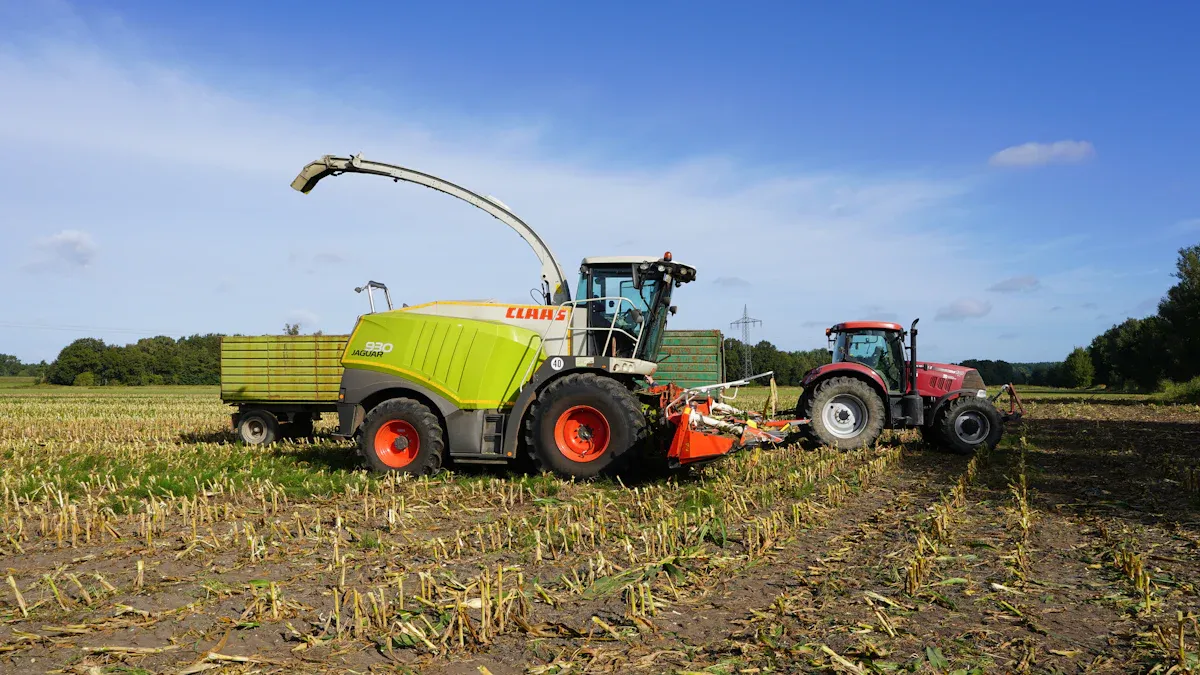
Durability in Harsh Agricultural Conditions
Agricultural environments are very demanding. Farm equipment faces extreme temperatures. It also endures strong UV exposure and constant impacts. Rotomolded Parts are built to handle these conditions. They offer high heat resistance. They also have UV protection. This protection comes fromUV stabilizers. These additives guard against harmful ultraviolet light. This extends the life of outdoor products. Some materials, like polypropylene (PP), are known for high heat resistance. Rotomolded components also show excellent impact strength at room temperature. They maintain this strength even in cold temperatures. This makes them reliable in all seasons.
Chemical Resistance for Farm Applications
Farmers use many chemicals. These include fertilizers, pesticides, and fuels. Equipment must resist these substances. Rotational molded products are designed for chemical resistance. They handle fertilizers and pesticides effectively. Manufacturers use polyethylene (PE) tanks for fertilizers. These tanks are durable and safe. UNIPOL™ PE Products are good for agricultural chemical tanks. They store liquid fertilizers, herbicides, and pesticides. These products offer stiffness, chemical resistance, and weatherability. High-density polyethylene (HDPE) is common in rotomolded construction. It resists erosion from pesticides, fertilizers, and other chemicals. This ensures equipment lasts longer.
Long Life and Low Maintenance Benefits
The durability and chemical resistance of rotomolded parts lead to significant benefits. Farm equipment lasts longer. Farmers spend less time on repairs. They also spend less money on replacements. This reduces overall operational costs. The seamless design prevents leaks. It also reduces areas where dirt or chemicals can collect. This makes cleaning easier. It also improves hygiene. Equipment that needs less maintenance helps farmers work more efficiently. They can focus on farming, not fixing.
Cost-Effective for Lower Production Volumes
Manufacturing costs are important for farmers. Rotational molding offers a cost-effective solution. This is especially true for lower production volumes. Tooling costs for rotational molding are much lower than for injection molding. They are typically one-third to one-fourth of injection mold costs. This makes it economical for small to medium production runs. It is also good for prototypes or custom-made products. For example, injection molding tooling costs are high for volumes from 1,000 to over 1,000,000 units. Rotational molding tooling costs are low to moderate for volumes from 50 to 5,000 units. This process becomes more cost-effective for medium-volume production. It avoids the high setup costs of other methods. This flexibility helps manufacturers of specialized equipment. They can produce necessary enclosures without huge investments in mass production tooling.
Advanced Capabilities and the Future of Farm Equipment
Versatile Applications Across the Farm
Rotational molding offers diverse applications for farm equipment. Manufacturers create water tanks, seed containers, animal feeders, and irrigation parts. They also produce water and feed troughs for livestock. Planter tanks are customized for specific crop systems. Fertilizer and chemical storage tanks are corrosion-resistant. Protective equipment enclosures shield machinery from weather. This process supports complex shapes and designs. It seamlessly accommodates curves and transitions. Structural elements like ribs boost strength. Aesthetic shapes can be added without losing durability. The process allows for special features. Molded-in threaded inserts, fittings, and steel bars can be integrated.
Integrating Antimicrobial Technology for Enhanced Hygiene
Hygiene is important in agriculture. Rotational molding allows for integrating antimicrobial technology. BioCote offers antimicrobial additives. These are often powder or polymer masterbatch. Manufacturers integrate them into various polymer materials. Silver is a powerful antibacterial agent. Microban antimicrobial technology is also used. It combats mold and mildew in coolers. It prevents microbial growth in plastic water storage tanks. This technology extends product lifespan. It maintains hygiene, especially in moist environments.
Future Advancements in Rotomolding Technology
The future of farm equipment looks promising with advancements in rotational molding. New super-strong materials are emerging. These include high-density polyethylene (HDPE) and cross-linked polyethylene (PEX). They create more durable and impact-resistant parts. The industry also uses eco-friendly recycled plastics. This promotes sustainability. Multi-layer molding creates parts with unique properties. These include improved insulation or enhanced strength. Smart molding technology integrates sensors. This allows real-time data collection. It leads to higher precision and fewer defects. Topology optimization reduces weight in fuel tanks by over 25%. This innovation maintains strength and functionality.
Rotational molding offers durability, customization, and cost-efficiency. It is vital for modern agriculture. It produces robust, low-maintenance, and chemical-resistant components. These features, plus antimicrobial integration, position it as the future of farm equipment. By 2025, this technology will be a cornerstone of efficient, productive, and sustainable farming.
FAQ
What makes rotomolded parts durable for farms?
Rotomolding creates seamless, one-piece parts. They use strong plastics like HDPE. These resist impacts, chemicals, and harsh weather. This ensures long life in tough farm conditions.
How does rotational molding save money for farmers?
It has lower tooling costs for smaller runs. Parts last longer and need less maintenance. This cuts replacement and repair expenses. Farmers save money over time.
Can rotational molding create custom farm equipment?
Yes, it offers extensive customization. Manufacturers make specialized tanks, feeders, and enclosures. This meets specific farming needs. Farmers get exactly what they require.