


What is the main advantage of rotational molding?
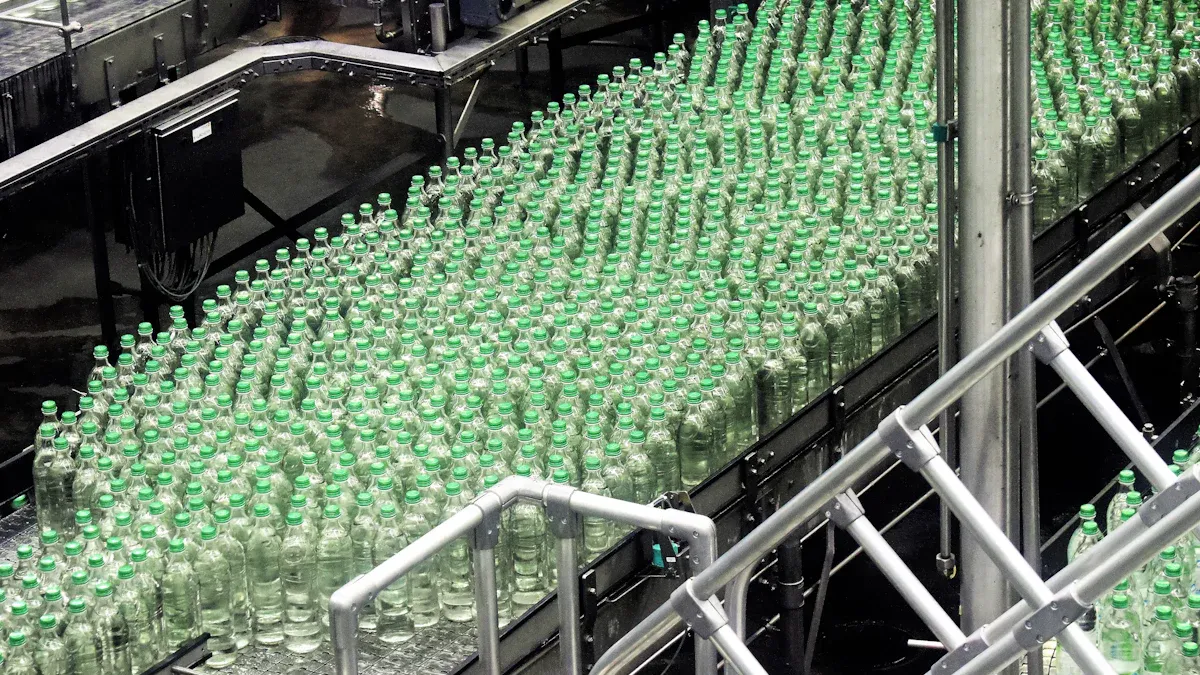
Rotational Molding really shines when it comes to flexibility. I love how it allows us to create complex, hollow shapes that have a uniform wall thickness. Plus, it generatesminimal waste, which is a win-win for both manufacturers and the environment. Isn’t that great?
Key Takeaways
- Rotational molding offers exceptional design flexibility, allowing for the creation of complex shapes and varied wall thicknesses.
- This process is cost-effective, with lower initial mold costs compared to methods like injection molding, making it ideal for medium-volume production.
- Durability is a key benefit, as rotational molding ensures uniform wall thickness, enhancing the strength and longevity of products.
Understanding Rotational Molding
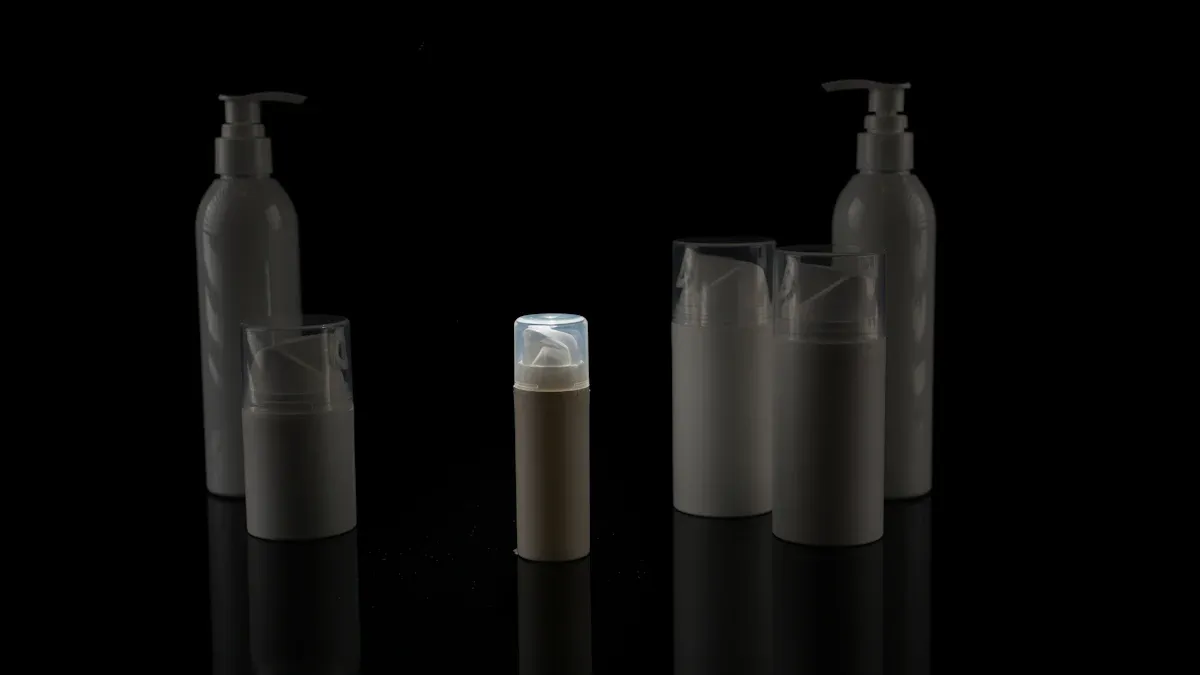
The Process Overview
Let’s dive into how rotational molding works! The process is fascinating and involves several key steps that ensure the creation of high-quality products. Here’s a quick rundown of the main steps involved:
- Pulverized Resin: First, manufacturers transform polymer pellets into a fine powder. This step is crucial for achieving uniformity in the final product.
- Loading: Next, they load a measured amount of this polymer powder into a mold. The precision here is vital for the final shape and thickness.
- Heating: The mold is then heated while being rotated. This rotation helps melt the powder evenly, allowing it to coat the interior of the mold.
- Cooling: After the heating phase, controlled cooling occurs. This step is essential to prevent defects in the final product.
- Mold Unloading: Finally, the parts are carefully removed from the mold. This step requires precision to avoid damaging the newly formed product.
I find it interesting how each step plays a role in ensuring the quality and durability of the final product. The heating and cooling cycles are particularly important. They can significantly affect the product's quality, as enhanced fins in the molds improve heat transfer and reduce cycle times. This means better temperature uniformity, which leads to fewer defects like shrinkage or warping.
Key Materials Used
When it comes to materials, rotational molding primarily uses various types of polymers. Here are some of the most common ones:
- Polyethylene (PE)
- Polypropylene (PP)
- Nylon (PA)
- Polycarbonate (PC)
- Plastomer
- Thermoplastic elastomer (TPE)
- Plasticized polyvinyl chloride (PVC)
- Polyvinylidene fluoride (PVDF)
Among these, polyethylene stands out as the most popular choice. Why? It offers excellent mechanical properties, thermal stability, and is cost-effective. It can handle high temperatures and long heating cycles, making it perfect for rotational molding. Plus, it’s resistant to oxidation and impact, which is a huge plus for durability.
The physical properties of polyethylene make it particularly suitable for this process. It boasts good impact resistance, chemical resistance, and UV resistance. These qualities ensure that products made from polyethylene can withstand various environmental conditions, whether they’re used indoors or outdoors.
In recent years, advancements in technology have also influenced the materials used in rotational molding. Manufacturers are increasingly adopting recycled materials, contributing to sustainability in plastic manufacturing. This shift not only reduces waste but also aligns with growing environmental awareness.
I hope this gives you a clearer picture of how rotational molding works and the materials that make it all possible!
Benefits of Rotational Molding
When I think about the benefits of rotational molding, three key aspects stand out: design versatility, cost-effectiveness, and durability. Each of these factors plays a significant role in why many manufacturers choose this process.
Design Versatility
One of the most exciting things about rotational molding is its design versatility. This process allows for the creation of complex shapes that other methods struggle with. For instance, I can create intricate designs with varied wall thicknesses, which is a huge advantage for unique products.
- Rotational molding provides exceptional design flexibility, enabling the creation of complex shapes.
- It accommodates varied wall thicknesses, which is beneficial for intricate designs.
- The process allows for uniform coating of the mold as the resin melts, facilitating robust and detailed geometries.
In contrast, blow molding is more suited for simpler, lighter parts with thinner walls. This limitation makes it less capable of handling the complex shapes that rotational molding can achieve. So, if you’re looking to create something unique, rotational molding is definitely the way to go!
Cost-Effectiveness
Cost is always a consideration in manufacturing, and rotational molding shines here too. The initial mold costs are significantly lower compared to other methods like injection molding. In fact, the molds for rotational molding can cost about one-tenth of those for injection molding. This cost advantage makes it ideal for medium-volume manufacturing, especially when frequent design changes are necessary.
| Molding Type | Mold Cost Comparison | Cost per Part (Medium Volume) | Cost per Part (High Volume) |
|---|---|---|---|
| Rotational Molding | One-tenth the cost | Higher than injection molding | Lower than injection molding |
| Injection Molding | Higher initial cost | Lower per part in large runs | Lowest per part |
Additionally, the operational costs in rotational molding are influenced by labor and energy expenses. Efficient energy consumption and skilled labor can lead to lower costs per minute of operation. Monitoring variables like mold complexity and cycle duration can help businesses optimize their costs, ensuring a more economical approach to rotational molding.
Durability and Strength
Durability is another major benefit of rotational molding. The process ensures that products have a uniform wall thickness, which is crucial for their strength. When wall thickness varies, it can lead to issues like uneven cooling and warping. This ultimately affects the product's durability.
Maintaining a consistent wall thickness is vital for achieving reliable structural integrity. Products made through rotational molding can withstand demanding applications, making them suitable for various industries. Whether it’s storage tanks, outdoor furniture, or even safety equipment like helmets, the durability of these products is impressive.
Potential Disadvantages of Rotational Molding
Production Speed
While I love the flexibility of rotational molding, I can’t ignore its slower production speed. The average cycle time for producing a part using rotational molding is about three hours. In contrast, injection molding can take anywhere from two minutes to one hour. This difference can impact how quickly manufacturers fulfill large orders.
- Rotational molding is adaptable for various production scales, including small, medium, and large orders.
- The longer production cycle can delay the fulfillment of large orders.
- However, the simplicity and low cost of tooling enhance scalability, allowing for efficient adjustments based on production needs.
So, if you need a quick turnaround, rotational molding might not be the best choice.
Initial Setup Costs
Another aspect to consider is the initial setup costs. While the tooling for rotational molding is generally cheaper than for injection molding, it still requires a significant investment. For instance, the initial equipment cost for rotational molding can be around $20,000, while blow molding equipment can cost a whopping $210,000.
Here’s a quick comparison of costs:
- Initial equipment cost for rotational molding: $20,000
- Annual maintenance cost for rotational molding: $1,000
- Initial equipment cost for blow molding: $210,000
- Annual maintenance cost for blow molding: $5,000
Despite the lower initial costs, manufacturers must still budget for ongoing maintenance and potential upgrades. So, while rotational molding offers many advantages, it’s essential to weigh these initial costs against your production needs.
Real-World Applications of Rotational Molding
Industries Utilizing Rotational Molding
Rotational molding finds its way into a variety of industries, and I find it fascinating to see how versatile this process can be. Here are some key industries that frequently utilize rotational molding for their products:
- Water Sports Industry: Think about kayaks and canoes. They need to be lightweight yet durable, and rotational molding delivers just that.
- Medical Products: Items like stretchers and oxygen masks benefit from the strength and flexibility of Rotationally Molded materials.
- Storage and Containment: Tanks for liquids are a common application. They need to be robust and reliable, which rotational molding provides.
- Toys and Recreation: Playground equipment is often made using this method, ensuring safety and durability for kids.
- Automotive: Fuel tanks and internal parts are produced with rotational molding, offering strength and resistance to harsh conditions.
- Agriculture: Tanks for transporting liquids are essential in this sector, and rotational molding meets those needs effectively.
- Construction: Sinks and bathtubs made from rotationally molded materials are both functional and aesthetically pleasing.
- Chemical Industry: Containers for chemicals require durability, and rotational molding excels in this area.
- Water and Sanitation: Water storage tanks made through this process are crucial for many communities.
I love how rotational molding serves such a wide range of applications, making it a go-to choice for many manufacturers.
Examples of Products Made
The variety of products created through rotational molding is impressive. Here are some notable examples:
| Product Type | Description | Size Range |
|---|---|---|
| Industrial Water Tanks | Large tanks used for various industrial applications. | Up to 17 feet long |
| Storage Tanks | Tanks for agricultural and commercial use, adaptable in size. | 5 to 22,000 gallons |
| Recreational Products | Various products designed for leisure and recreation. | N/A |
These examples highlight the scale and diversity of products that rotational molding can produce. I find it amazing how this process can create everything from large industrial tanks to fun recreational items.
In summary, I believe the main advantage of rotational molding lies in its flexibility. This process allows manufacturers to create complex, durable products with minimal waste. For instance, the seamless interiors prevent leaks and enhance strength. With uniform wall thickness, these products can endure harsh conditions, making rotational molding a preferred choice for many.
FAQ
What is the typical cycle time for rotational molding?
The average cycle time for rotational molding is about three hours, which is slower than other methods like injection molding.
Can I use recycled materials in rotational molding?
Absolutely! Many manufacturers now use recycled materials, promoting sustainability while maintaining product quality.
What types of products are best suited for rotational molding?
Rotational molding works great for hollow, complex shapes like tanks, kayaks, and outdoor furniture, offering durability and design flexibility.
Rotational molding really shines when it comes to flexibility. I love how it allows us to create complex, hollow shapes that have a uniform wall thickness. Plus, it generates minimal waste, which is a win-win for both manufacturers and the environment. Isn’t that great?
Key Takeaways
- Rotational molding offers exceptional design flexibility, allowing for the creation of complex shapes and varied wall thicknesses.
- This process is cost-effective, with lower initial mold costs compared to methods like injection molding, making it ideal for medium-volume production.
- Durability is a key benefit, as rotational molding ensures uniform wall thickness, enhancing the strength and longevity of products.
Understanding Rotational Molding
The Process Overview
Let’s dive into how rotational molding works! The process is fascinating and involves several key steps that ensure the creation of high-quality products. Here’s a quick rundown of the main steps involved:
- Pulverized Resin: First, manufacturers transform polymer pellets into a fine powder. This step is crucial for achieving uniformity in the final product.
- Loading: Next, they load a measured amount of this polymer powder into a mold. The precision here is vital for the final shape and thickness.
- Heating: The mold is then heated while being rotated. This rotation helps melt the powder evenly, allowing it to coat the interior of the mold.
- Cooling: After the heating phase, controlled cooling occurs. This step is essential to prevent defects in the final product.
- Mold Unloading: Finally, the parts are carefully removed from the mold. This step requires precision to avoid damaging the newly formed product.
I find it interesting how each step plays a role in ensuring the quality and durability of the final product. The heating and cooling cycles are particularly important. They can significantly affect the product's quality, as enhanced fins in the molds improve heat transfer and reduce cycle times. This means better temperature uniformity, which leads to fewer defects like shrinkage or warping.
Key Materials Used
When it comes to materials, rotational molding primarily uses various types of polymers. Here are some of the most common ones:
- Polyethylene (PE)
- Polypropylene (PP)
- Nylon (PA)
- Polycarbonate (PC)
- Plastomer
- Thermoplastic elastomer (TPE)
- Plasticized polyvinyl chloride (PVC)
- Polyvinylidene fluoride (PVDF)
Among these, polyethylene stands out as the most popular choice. Why? It offers excellent mechanical properties, thermal stability, and is cost-effective. It can handle high temperatures and long heating cycles, making it perfect for rotational molding. Plus, it’s resistant to oxidation and impact, which is a huge plus for durability.
The physical properties of polyethylene make it particularly suitable for this process. It boasts good impact resistance, chemical resistance, and UV resistance. These qualities ensure that products made from polyethylene can withstand various environmental conditions, whether they’re used indoors or outdoors.
In recent years, advancements in technology have also influenced the materials used in rotational molding. Manufacturers are increasingly adopting recycled materials, contributing to sustainability in plastic manufacturing. This shift not only reduces waste but also aligns with growing environmental awareness.
I hope this gives you a clearer picture of how rotational molding works and the materials that make it all possible!
Benefits of Rotational Molding
When I think about the benefits of rotational molding, three key aspects stand out: design versatility, cost-effectiveness, and durability. Each of these factors plays a significant role in why many manufacturers choose this process.
Design Versatility
One of the most exciting things about rotational molding is its design versatility. This process allows for the creation of complex shapes that other methods struggle with. For instance, I can create intricate designs with varied wall thicknesses, which is a huge advantage for unique products.
- Rotational molding provides exceptional design flexibility, enabling the creation of complex shapes.
- It accommodates varied wall thicknesses, which is beneficial for intricate designs.
- The process allows for uniform coating of the mold as the resin melts, facilitating robust and detailed geometries.
In contrast, blow molding is more suited for simpler, lighter parts with thinner walls. This limitation makes it less capable of handling the complex shapes that rotational molding can achieve. So, if you’re looking to create something unique, rotational molding is definitely the way to go!
Cost-Effectiveness
Cost is always a consideration in manufacturing, and rotational molding shines here too. The initial mold costs are significantly lower compared to other methods like injection molding. In fact, the molds for rotational molding can cost about one-tenth of those for injection molding. This cost advantage makes it ideal for medium-volume manufacturing, especially when frequent design changes are necessary.
| Molding Type | Mold Cost Comparison | Cost per Part (Medium Volume) | Cost per Part (High Volume) |
|---|---|---|---|
| Rotational Molding | One-tenth the cost | Higher than injection molding | Lower than injection molding |
| Injection Molding | Higher initial cost | Lower per part in large runs | Lowest per part |
Additionally, the operational costs in rotational molding are influenced by labor and energy expenses. Efficient energy consumption and skilled labor can lead to lower costs per minute of operation. Monitoring variables like mold complexity and cycle duration can help businesses optimize their costs, ensuring a more economical approach to rotational molding.
Durability and Strength
Durability is another major benefit of rotational molding. The process ensures that products have a uniform wall thickness, which is crucial for their strength. When wall thickness varies, it can lead to issues like uneven cooling and warping. This ultimately affects the product's durability.
Maintaining a consistent wall thickness is vital for achieving reliable structural integrity. Products made through rotational molding can withstand demanding applications, making them suitable for various industries. Whether it’s storage tanks, outdoor furniture, or even safety equipment like helmets, the durability of these products is impressive.
Potential Disadvantages of Rotational Molding
Production Speed
While I love the flexibility of rotational molding, I can’t ignore its slower production speed. The average cycle time for producing a part using rotational molding is about three hours. In contrast, injection molding can take anywhere from two minutes to one hour. This difference can impact how quickly manufacturers fulfill large orders.
- Rotational molding is adaptable for various production scales, including small, medium, and large orders.
- The longer production cycle can delay the fulfillment of large orders.
- However, the simplicity and low cost of tooling enhance scalability, allowing for efficient adjustments based on production needs.
So, if you need a quick turnaround, rotational molding might not be the best choice.
Initial Setup Costs
Another aspect to consider is the initial setup costs. While the tooling for rotational molding is generally cheaper than for injection molding, it still requires a significant investment. For instance, the initial equipment cost for rotational molding can be around $20,000, while blow molding equipment can cost a whopping $210,000.
Here’s a quick comparison of costs:
- Initial equipment cost for rotational molding: $20,000
- Annual maintenance cost for rotational molding: $1,000
- Initial equipment cost for blow molding: $210,000
- Annual maintenance cost for blow molding: $5,000
Despite the lower initial costs, manufacturers must still budget for ongoing maintenance and potential upgrades. So, while rotational molding offers many advantages, it’s essential to weigh these initial costs against your production needs.
Real-World Applications of Rotational Molding
Industries Utilizing Rotational Molding
Rotational molding finds its way into a variety of industries, and I find it fascinating to see how versatile this process can be. Here are some key industries that frequently utilize rotational molding for their products:
- Water Sports Industry: Think about kayaks and canoes. They need to be lightweight yet durable, and rotational molding delivers just that.
- Medical Products: Items like stretchers and oxygen masks benefit from the strength and flexibility of rotationally molded materials.
- Storage and Containment: Tanks for liquids are a common application. They need to be robust and reliable, which rotational molding provides.
- Toys and Recreation: Playground equipment is often made using this method, ensuring safety and durability for kids.
- Automotive: Fuel tanks and internal parts are produced with rotational molding, offering strength and resistance to harsh conditions.
- Agriculture: Tanks for transporting liquids are essential in this sector, and rotational molding meets those needs effectively.
- Construction: Sinks and bathtubs made from rotationally molded materials are both functional and aesthetically pleasing.
- Chemical Industry: Containers for chemicals require durability, and rotational molding excels in this area.
- Water and Sanitation: Water storage tanks made through this process are crucial for many communities.
I love how rotational molding serves such a wide range of applications, making it a go-to choice for many manufacturers.
Examples of Products Made
The variety of products created through rotational molding is impressive. Here are some notable examples:
| Product Type | Description | Size Range |
|---|---|---|
| Industrial Water Tanks | Large tanks used for various industrial applications. | Up to 17 feet long |
| Storage Tanks | Tanks for agricultural and commercial use, adaptable in size. | 5 to 22,000 gallons |
| Recreational Products | Various products designed for leisure and recreation. | N/A |
These examples highlight the scale and diversity of products that rotational molding can produce. I find it amazing how this process can create everything from large industrial tanks to fun recreational items.
In summary, I believe the main advantage of rotational molding lies in its flexibility. This process allows manufacturers to create complex, durable products with minimal waste. For instance, the seamless interiors prevent leaks and enhance strength. With uniform wall thickness, these products can endure harsh conditions, making rotational molding a preferred choice for many.
FAQ
What is the typical cycle time for rotational molding?
The average cycle time for rotational molding is about three hours, which is slower than other methods like injection molding.
Can I use recycled materials in rotational molding?
Absolutely! Many manufacturers now use recycled materials, promoting sustainability while maintaining product quality.
What types of products are best suited for rotational molding?
Rotational molding works great for hollow, complex shapes like tanks, kayaks, and outdoor furniture, offering durability and design flexibility.