


Your Rotational Water Tank: How It Gets So Tough?
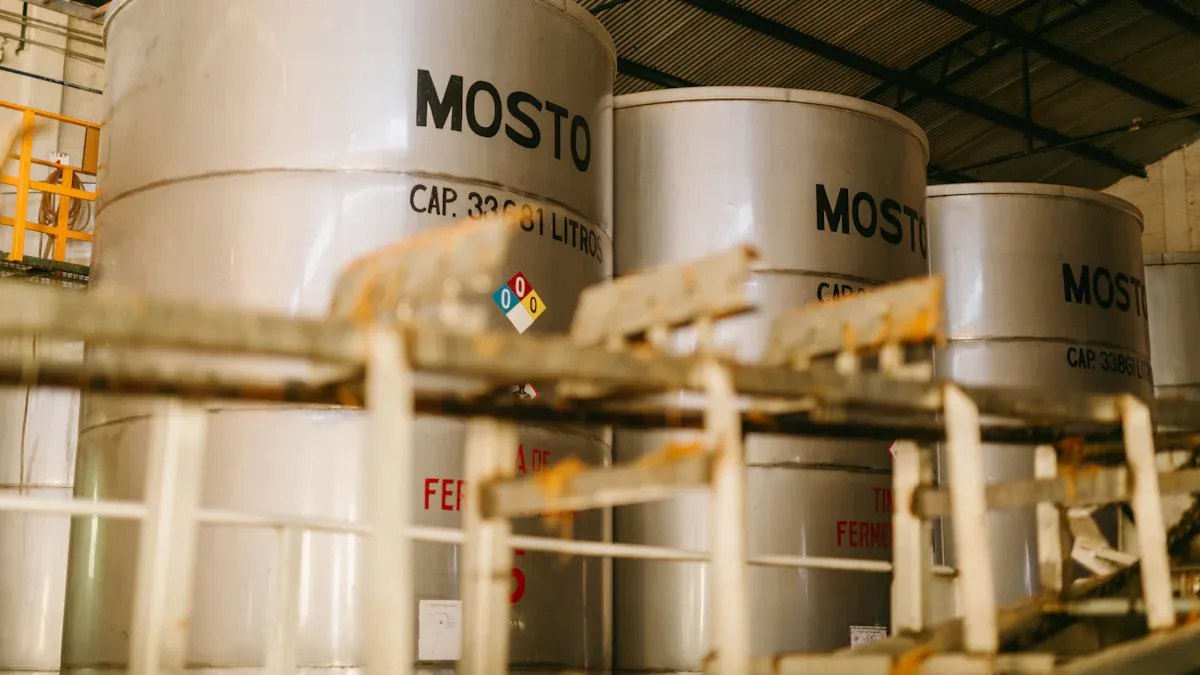
Have you ever wondered why your rotational water tank is so incredibly strong? I'm here to tell you! It all comes down to a special way we make them. This process builds a tank that has no seams, no stress, and a super even thickness. This makes it really tough against bumps and bad weather.
Key Takeaways
- Rotational molding makes water tanks strong. This process creates tanks with no seams and even wall thickness. This removes weak spots.
- High-grade plastics like polyethylene make tanks tough. These plastics resist bumps, chemicals, and sun damage. This helps tanks last a long time.
- Tanks have special designs and are tested well. This includes thicker corners and strong ribs. This makes sure the tank is very durable and meets high standards.
The Rotational Molding Process: Building a Tough Water Tank

I want to tell you more about how we build such tough water tanks. It all starts with a special method called rotational molding. This process is really clever! It builds a tank that is super strong from the ground up.
Seamless Construction for Your Rotational Water Tank
First, let's talk about how we make your rotational water tankwithout any seams. This is a huge deal for its strength! The Rotational Molding process for water tanks involvesfour main steps:
- We prepare the material and load it into the mold.
- Then, we heat the mold.
- Next, we cool the mold down.
- Finally, we take the finished part out.
This process is amazing because it prevents seam lines. We form the parts without any weld lines or internal stresses. This method really makes the tank stronger and gets rid of weak spots. During rotational molding, the plastic resin spreads evenly and melts onto the inside of the mold. This happens because we heat and rotate it at the same time. This gives us seamless parts with walls that are all the same thickness. A seamless structure stops leaks and keeps germs from building up. This directly helps make your water tank super strong and reliable.
Uniform Wall Thickness and Stress-Free Design
Now, let's look at how we get that uniform wall thickness and a stress-free design. Our roto-molded tanks have walls that are all the same thickness. This makes them super strong and stops leaks, cracks, and rust. This one-piece construction means no weak points.
Uniform wall thickness is key for a tank's structural reliability. It stops weak spots that can shorten its life. When the material is spread evenly, the tank can handle water pressure, temperature changes, and even things like seismic loads much better. For example, if the thickness varies too much, it can reduce how well the tank handles bumps by 25-30% in thinner spots. It can also create places where leaks might start. Tanks with consistent wall thickness perform better for their whole 15-20 year life. They stand up to monsoon rains, summer heatwaves, and everyday stresses.
Rotational molding also creates a very stable tank that is uniform and has no seams. This is because we make it in one continuous process. It gets rid of weak points that other ways of making tanks might have. This seamless build helps the tank handle pressure evenly, even if it gets bumped or rolled. This makes it strong and stress-free.
Thicker Corners for Enhanced Durability
Finally, let's talk about those thicker corners. Rotational molding naturally makes the outside corners thicker. This is really important for how tough your tank is! This increased thickness in places that might get hit makes the tank much stronger. It's a big plus compared to other ways of making tanks that often make thin outside corners. Our rotomolded products are known for being super strong against impacts. This comes right from how we make them and adds a lot to their overall toughness and durability.
High-Grade Polymers: The Material Science Behind a Durable Rotational Water Tank

Now, let's talk about the secret ingredient: the materials we use! The toughness of your tank also comes from the special plastics we choose. We pick high-grade polymers. These materials are super strong and last a long time.
Polyethylene: Impact, Chemical, and UV Resistance
I use polyethylene a lot for making these tanks. It's a fantastic material! We often use high-density polyethylene (HDPE). This type of plastic meets strict rules, like FDA Regulation 177.1520 and NSF/ANSI 61 standards. This means it's safe for many uses. We also use UV-resistant HDPE. This protects the tank from the sun. You might notice that many of our tanks are black. This isn't just for looks! The black color helps block light. This stops algae from growing inside. It keeps your drinking water pure.
Polyethylene is amazing because it's so flexible. Its structure makes it less likely to crack or break. This means it handles bumps and stress really well. It has great impact resistance. This material is super durable. It can take a lot of hits. It also resists many chemicals. We even use a special kind called cross-linked polyethylene (XLPE). We add things to HDPE to make XLPE. This makes the plastic chains bond together. This process makes the material much stronger. It improves how it resists chemicals and heat. It also makes the tank last longer.
💡 Did you know? XLPE is a thermoset material. This means it won't just fall apart if it gets damaged. It keeps its shape and strength!
Here's a quick look at some of its strengths:
| Property | Value |
|---|---|
| Tensile Strength | 25 MPa |
| Elongation at Yield | 9% |
| Modulus of Elasticity in Tension | 1000 MPa |
| Impact Resistance | High |
| Water Absorption | <0.05% |
| Chemical Resistance | Resistant to most acids, alcohols, and bases |
Polyethylene tanks are durable. They handle pressure and bumps without cracking. They are seamless, so leaks are rare. They also resist corrosion. This helps them last a long time. They are sturdy. This stops ruptures or spills. They also have UV blocking additives. This keeps them from breaking down in the sun. These tanks can handle temperatures from -40°F to 100°F.
UV Stabilization for Long-Term Outdoor Performance
I know you want your tank to last a long time, especially if it's outside. That's why UV stabilization is so important. We add special ingredients to the plastic. These ingredients protect the tank from the sun's harmful rays. This stops the plastic from getting brittle or breaking down over time.
A well-made poly water tank can last a really long time. I'm talking about 20 to 30 years! This long life comes from that UV stabilization. It protects the tank from sun damage. This means your tank stays strong and doesn't get brittle, even when it's in direct sunlight every day.
Food-Grade and Chemical Resistance Versatility
We also make sure our tanks are safe for different uses. If you need to store drinking water, we make sure the tank is food-grade safe. For a tank to be food-grade safe, it must meet FDA requirements. The FDA sets rules for equipment used with food. It's important that both the plastic resin and the finished tank meet these rules. The way we make the tank can affect its safety.
We also make sure our tanks meet other important standards:
- NSF 61: Drinking Water System Components: This certification is super important for drinking water systems. It makes sure no harmful stuff leaks into the water. It covers things like tank linings and fittings. It also includes tests to check for toxic materials.
- NSF 372: Lead Content Requirements: This standard makes sure there's very little lead in parts that touch drinking water. This helps us follow the Reduction of Lead in Drinking Water Act.
Beyond drinking water, our tanks are great for storing many chemicals. Cross-linked polyethylene (XLPE) tanks can hold a wide range of liquids safely. This makes them very versatile.
Here are some chemicals you can safely store in our tanks:
- Sodium Hypochlorite
- Sulfuric Acid
- Hydrochloric Acid
- Sodium Hydroxide
- Hydrofluoric Acid
- Hydrofluosilicic Acid
- Ferrics, Alums and Polymers
- Hydrogen Peroxide
- Peracetic Acid
- Diesel Exhaust Fluid
- Liquid Ammonium Sulfate
- Leachate and Condensate
- Wine (in Wine Tanks)
- Fats, Oils, and Grease
This wide range of resistance makes a rotational water tank a smart choice for many different needs.
Customization and Quality: Tailoring a Resilient Rotational Water Tank
I don't just make a generic tank. I also focus on customization and quality. This means I tailor each tank to be super resilient. It's all about making sure your tank is perfect for what you need.
Tailored Designs for Optimal Structural Integrity
When I design a tank, I think about every detail to make it strong. I design the main body like a welded structure. I use side, top, and bottom plates that I mold. The side and top plates have bulges. These bulges make them stiffer. The bottom plate is flat, but I add reinforcements to it. This stops it from changing shape. I also build a frame, or "skeleton," from welded square tubes. I arrange these tubes in a staggered way for extra strength. For things like inlets, outlets, and ladders, I use designs similar to thin-walled stainless steel water tanks. I even weld the main body to the skeleton. I also weld reinforcements to the bottom frame.
I also think about all the forces your tank might face. I calculate the static water pressure. This pressure is highest when the tank is full. I also consider the tank's own weight. If you put things on top, I factor in that concentrated load. I even plan for snow load and wind load.
I can also make the tank lighter by reducing the wall thickness of some parts. For example, the molded plate for the box body can be between 0.5 and 3 mm thick. The square tubes for the skeleton and reinforcement can be 0.5 to 2 mm thick. But I always make sure it stays strong. The bottom plate needs the most reinforcement. I've found that a mesh-shaped reinforcement works best there. It reduces deformation and stress more than other shapes. Also, bulges on the side of the tank work better if they are a bit off-center. This helps manage stress and deformation.
Reinforcement and Ribbing for Extra Strength
Sometimes, a tank needs extra muscle. That's where reinforcement and ribbing come in. I can design the mold to create stronger parts. This happens because the outer corners become thicker. I can also design tanks with a double-wall construction for more strength. Or, I can fill them with urethane foam. This adds even more strength and insulation.
I often add reinforcing ribs or kiss-off ribbing to the tank's design. These features make the walls much stronger. Think of it like corrugated cardboard; it's stronger than flat cardboard. I also design tanks with inherent hoop strength. This helps them resist outward pressure.
For even more strength, I can use internal tie rods. These are metal rods inside the tank. They connect opposite walls. They stop the walls from bulging out. This keeps the tank compact and looks good from the outside. But they do take up a little space inside. I can also use external tie rods. These are outside the tank. They connect across opposite panels with frames. This leaves the inside clear for storage and cleaning. But they need more space outside. Sometimes, for extreme conditions, I can even strengthen tanks externally with fiber-reinforced polymer (FRP) laminates, like carbon fiber wrapping. This helps the tank handle things like earthquakes better.
Strategic Wall Thickness in Critical Areas
I know that not all parts of a tank face the same stress. So, I strategically make certain areas thicker. For example, I design the 'tough tank top' with increased wall thickness. This is especially important for durability against sun exposure. It helps the tank last longer where it gets the most wear and tear.
Rigorous Testing and Industry Standard Adherence
I don't just build tanks; I test them rigorously. I make sure they meet strict industry standards. For any tank that holds drinking water, NSF 61 certification is crucial. This certification means I've tested the materials. I've checked for any harmful stuff that could leach into the water. I also audit my manufacturing facilities. This ensures everything is safe for you.
In some places, like India, a BIS ISI Mark is mandatory for polyethylene water storage tanks. If I don't have it, there can be big penalties. This shows how important these standards are. I also follow voluntary standards like ASTM D 1998 in the US. This standard guides how I process materials for Rotational Molded products. It also includes post-production tests. I check wall thickness, impact resistance, and gel quality.
I also follow specific Indian Standards like IS 12701:1996 for rotational molded polyethylene water storage tanks. This standard covers everything. It defines the tank's purpose, the materials I use, and how I design and construct it. It also sets rules for quality control, like checking thickness and structural integrity. And it includes procedures for testing things like impact resistance and water tightness. All these tests and standards mean you get a high-quality, reliable tank.
I've shown you why these tanks are so tough! It's a perfect mix of:
- Seamless molding, creating strong, thick corners.
- High-grade plastics like HDPE, handling extreme weather.
- Custom designs and strict quality control.
This all gives you a super durable solution for water storage.
FAQ
How does a rotational water tank get its strength?
I make them super strong through a special process. It creates a seamless tank with uniform walls. This means no weak spots!
Why do you use polyethylene for these tanks?
I choose polyethylene because it's tough. It resists impacts, chemicals, and UV rays. This material makes your tank last a long time.
Does the sun damage my outdoor tank?
No, I add UV stabilizers to the plastic. This protects your tank from the sun's harmful rays. It keeps it strong for years outside.