


How long does the rotational molding process take?
The Rotational Molding process can vary quite a bit in time. You might find it taking anywhere from 20 minutes to over 6 hours. This duration depends on several factors that come into play during the process.
Key Takeaways
- The rotational molding process can take anywhere from 20 minutes to over 6 hours, depending on factors like part size and material type.
- Optimizing mold design and using efficient machinery can significantly reduce cycle times, enhancing production efficiency.
- Understanding the steps of the process—material loading, heating, cooling, and demolding—helps ensure high-quality molded products.
Steps in the Rotational Molding Process

The rotational molding process involves several key steps that work together to create your desired product. Let’s break down each step so you can understand what happens during this fascinating manufacturing technique.
Material Loading
First, you start with material loading. In this step, you place the plastic resin into the mold. The amount of resin you use depends on the size and shape of the part you want to create. You’ll want to ensure that the mold is filled evenly to avoid any weak spots in the final product. This step is crucial because it sets the stage for everything that follows.
Heating Phase
Next comes the heating phase. You’ll place the loaded mold into an oven, where it rotates slowly. As the mold turns, the heat causes the resin to melt and coat the interior surfaces of the mold evenly. This phase can take anywhere from 30 minutes to several hours, depending on the thickness of the material and the size of the mold.
Tip: Using molds with extended fins can significantly enhance heat transfer efficiency. This improvement helps reduce cycle times, making the heating phase quicker and more efficient.
Cooling Phase
After the heating phase, it’s time for cooling. You’ll remove the mold from the oven and allow it to cool down. This step is just as important as heating because it solidifies the resin into its final shape. The cooling phase can vary in duration, but it’s essential to let the part cool completely to avoid warping.
Interestingly, molds with pin fins show the highest efficiency in both heating and cooling. This design helps improve the overall process time, especially in conditions where convective heat transfer is minimal. So, if you’re looking to optimize your production, consider the mold design carefully.
Demolding
Finally, you reach the demolding step. Once the part has cooled and solidified, you can remove it from the mold. This step is usually straightforward, but you need to be careful to avoid damaging the newly formed part. If everything went well, you should have a perfectly molded product ready for finishing touches or assembly.
By understanding these steps in the rotational molding process, you can better appreciate how each phase contributes to the final product. Each step plays a vital role in ensuring that your molded parts meet the desired specifications and quality standards.
Factors Influencing the Rotational Molding Process Duration
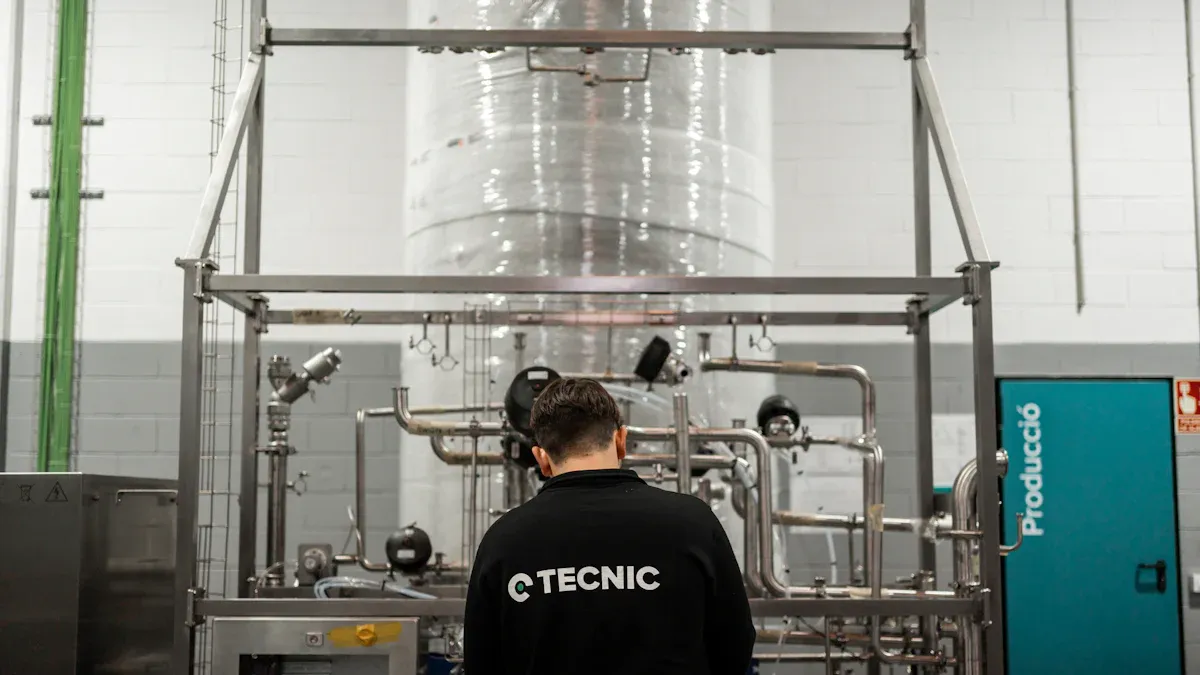
When it comes to the rotational molding process, several factors can affect how long it takes to complete. Understanding these factors can help you plan your production more effectively. Let’s dive into the key elements that influence the duration of this process.
Part Size
The size of the part you want to create plays a significant role in determining the overall process time. Larger parts generally require more time for both heating and cooling. For instance, a small part like a 4-inch cube may not take long to mold, while a massive 25,000-gallon holding tank will take considerably longer.
Here’s a quick look at how part size can impact process times:
| Size Range | Process Time (minutes) |
|---|---|
| 4 inch cube | N/A |
| 25,000 gallon holding tank | N/A |
Typically, you can expect heating times to range from 15 to 30 minutes, while cooling times can take anywhere from 20 to 40 minutes. The larger the part, the more time you’ll need to allocate for these phases.
Material Type
The type of material you choose also affects the rotational molding process duration. Different polymers have unique properties that influence how they behave during heating and cooling. For example, some materials require higher temperatures or longer heating times to melt properly.
The heating conditions, such as temperature and time, vary based on the polymer's properties. This variability can lead to differences in the overall process time. So, when selecting materials, consider how their characteristics might impact your production schedule.
Machine Efficiency
Lastly, the efficiency of your molding machine can significantly influence the time required for the rotational molding process. An efficient machine can reduce cycle times, allowing you to produce more parts in less time.
Here’s a quick overview of how different methods can impact cycle time:
| Method | Reduction in Cycle Time |
|---|---|
| Mold Pressurization | Over 10% |
| Ignimbrite Dust | 20% |
| Ignimbrite at 10% under Pressure | 27% |
Investing in high-quality machinery and optimizing your processes can lead to substantial time savings. If you want to enhance your production efficiency, consider these factors carefully.
By understanding how part size, material type, and machine efficiency influence the rotational molding process duration, you can make informed decisions that streamline your production and improve your overall output.
Comparison of Rotational Molding Process to Other Methods
When you compare rotational molding to other manufacturing methods, you'll notice some key differences in process time and suitability for various applications.
Injection Molding
Injection molding is great for small to medium-sized components. It works best when you need high-volume production. Here’s a quick comparison of factors that affect process time:
| Factor | Injection Molding | Rotational Molding |
|---|---|---|
| Component Size | Best for small to medium-sized components | Ideal for larger products |
| Production Volume | Optimal for high-volume production | Suited for lower volume production |
| Design Complexity | Handles complex components well | Limited in creating intricate designs |
| Cost Considerations | Higher initial cost, greater long-term value | Lower initial investment, limited capacity |
Blow Molding
Blow molding is significantly faster than rotational molding. You can expect cycle times for blow molding to be less than 1 minute, while rotational molding cycles can exceed 30 minutes. Here are some quick facts:
- Blow molding machines can produce up to 70 parts per hour.
- Rotational molding typically produces only about 2 parts per hour.
This speed makes blow molding a popular choice for items like bottles and containers.
Compression Molding
Compression Molding has longer cycle times due to the heating and curing process. In contrast, rotational molding also experiences longer cycle times because of its rotational and cooling processes. Here’s a quick look:
| Molding Type | Cycle Times Characteristics |
|---|---|
| Compression Molding | Longer cycle times due to the heating and curing process. |
| Rotational Molding | Longer cycle times due to the rotational and cooling processes involved. |
By understanding these differences, you can choose the right molding method for your specific needs. Each method has its strengths and weaknesses, so consider what works best for your project!
Understanding the time needed for rotational molding can really boost your production planning. By optimizing cycle times, you can enhance productivity and reduce costs. Here are some strategies to consider:
- Use CAD software to cut design time by about 30%.
- Implement IoT for real-time data analytics to decrease downtime by 20-25%.
These steps can make a big difference in your operations!
FAQ
What materials can I use for rotational molding?
You can use various plastics, including polyethylene, polypropylene, and PVC. Each material has unique properties that affect the molding process.
How can I speed up the rotational molding process?
To speed up the process, optimize mold design, use efficient machinery, and select appropriate materials that require shorter heating and cooling times.
Is rotational molding suitable for large parts?
Yes! Rotational molding excels at creating large parts, making it ideal for items like tanks, playground equipment, and automotive components.