


Keep Your Rotomolding Running Essential Parts Explained

I find proactive management of Rotational Molding parts crucial. It keeps our machines running smoothly. Spare parts directly affect operational efficiency and safety. I know understanding each essential component prevents costly downtime and ensures consistent production.
Key Takeaways
- Regularly check and maintain all moving parts, like the cart wheels and arm rotations. This prevents breakdowns and ensures your products are made correctly.
- Keep your oven and airflow systems in top shape by checking insulation, burners, and fans. This helps melt plastic evenly and saves energy.
- Always inspect electrical, pneumatic, and hydraulic systems. This ensures all machine parts communicate well and operate safely, preventing unexpected stops.
Critical Rotational Molding Parts for Machine Movement
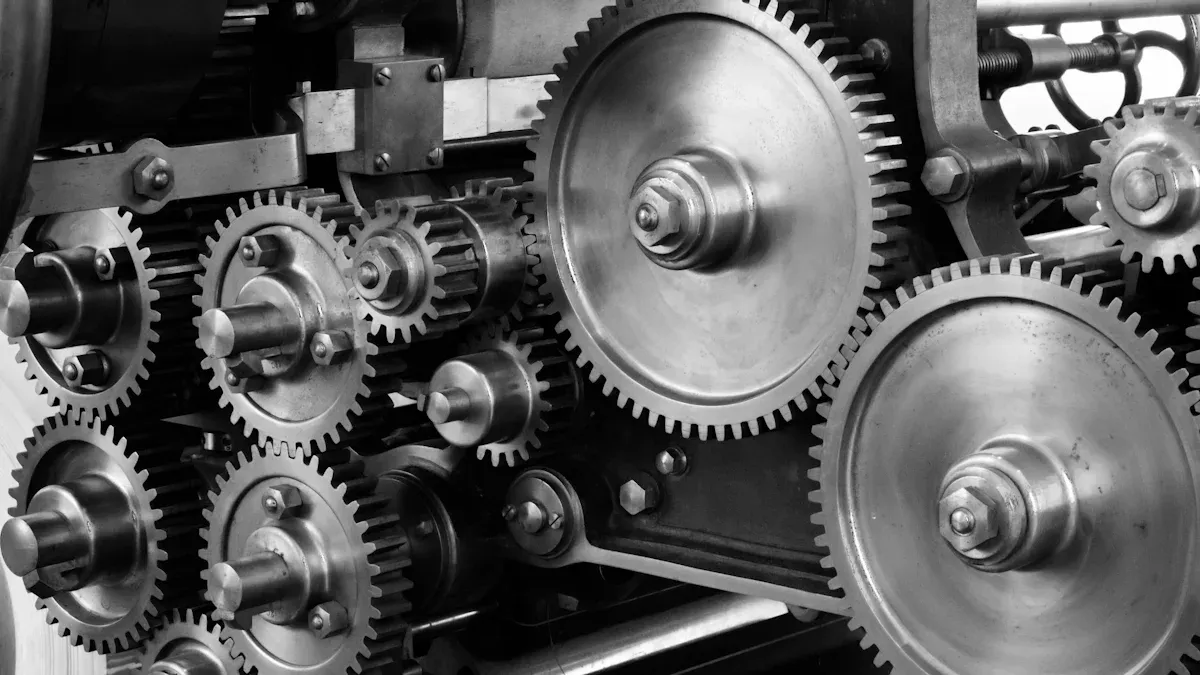
I know that keeping our rotomolding machines moving smoothly is key to consistent production. This means I pay close attention to the parts that make the machine move. These components are vital for getting the molds into and out of the oven and cooling stations.
Maintaining the Cart and Its Drive System
The cart is the workhorse of the rotomolding process. It carries the molds through each stage. I always make sure its drive system works perfectly. The wheels and bearings are especially important. I have a strict maintenance schedule for them.
For example, I lubricate the cart wheels and bearings regularly. Under normal conditions, I lubricate them every six months. If we are in a tough environment, like a corrosive or very dirty area, I lubricate them monthly. I also make sure to lubricate them after every cart washing.
I always check the wheels for wear. I look for flat spots. These can mean something is binding the wheel. If a wheel is loose or frozen, I replace it right away. This stops erratic rolling. I also ensure axle nuts are tight after any inspection. I use lock washers or nuts on all axles. If an axle is loose, I tighten it immediately. This prevents it from cocking and locking up. I always keep spare wheels and bearings on hand. This helps me minimize downtime. I discard any wheels that are damaged or abused.
For the caster bearings, I use high-quality multi-purpose grease. I apply lube to the friction points on the wheel hub, washer, and leg surfaces. Again, I lubricate every six months normally. In wet or corrosive conditions, I do it monthly. I also lubricate after each cart washing. I inspect the caster chassis and wheels for debris and clean them. I make sure the chassis is mounted securely. I tighten all grease fittings and brake assembly hardware. Then, I apply lubrication and wipe off any extra.
Ensuring Arm Rotational Integrity
The arms on our rotomolding machines hold the molds. They rotate the molds on two axes. This ensures even plastic distribution. I make sure these arms rotate smoothly and precisely. I regularly inspect the gears, bearings, and drive motors that control arm movement. Any wear or misalignment here can cause uneven wall thickness in our products. I check for any play in the arm joints. I also listen for unusual sounds during rotation. Keeping these rotational molding parts in top condition is essential for product quality.
Optimizing Oven Heating Efficiency
The oven is where the plastic melts and forms the part. Its efficiency directly impacts cycle times and energy costs. I focus on optimizing oven heating. Good insulation is a big part of this. I know that effective insulation reduces heat loss. This makes the oven more efficient.
I have found ceramic fiber to be a very effective insulation material. It handles high temperatures well. It also has low thermal conductivity. This means it does not let much heat escape. It is also lightweight. All these features help reduce heat loss and improve efficiency in our rotational molding ovens. While it can be expensive, the energy savings often make it worthwhile. I regularly inspect the oven insulation for any damage or gaps. I repair these quickly to maintain optimal heating performance.
Essential Rotational Molding Parts for Heating and Airflow
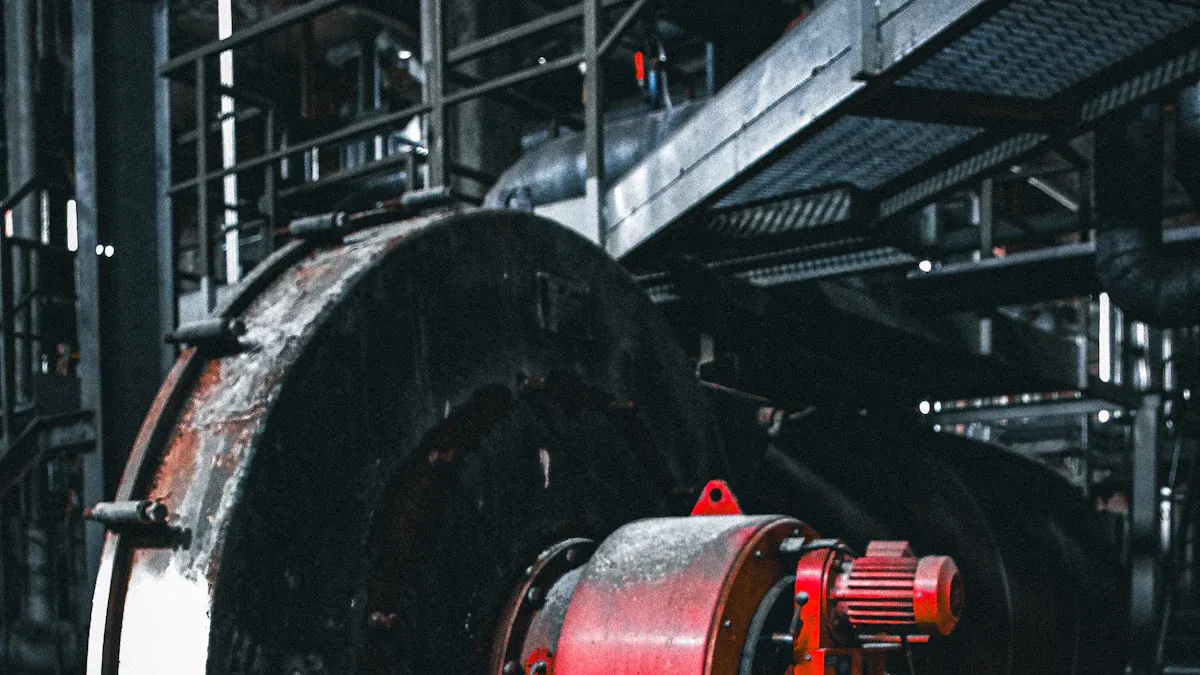
I know that proper heating and airflow are crucial for making good products. These systems melt the plastic evenly. They also cool the molds correctly. I pay close attention to these rotational molding parts. They directly affect product quality and safety.
Burner Components for Optimal Combustion
The burners in our ovens create the heat we need. I make sure these components work perfectly. Optimal combustion means the burners use fuel efficiently. It also means they produce consistent heat. I regularly inspect the igniters, flame sensors, and fuel nozzles. A clean nozzle ensures a steady flame. A working flame sensor confirms the flame is present. This prevents unburnt fuel from building up. I also check the air-to-fuel ratio. This balance is key for efficient burning. If the ratio is off, I adjust it. This saves energy and keeps the oven running smoothly.
Circulation Fans for Consistent Airflow
Circulation fans move hot air around the oven. They also move cool air in the cooling station. This ensures even heating and cooling of the molds. I know consistent airflow is vital for uniform wall thickness in our products. I regularly check these fans. I look for signs of wear or damage.
I have learned to spot early warnings of fan problems. For example, I listen for unusual noises. I also feel for excessive vibration. These can mean a fan or blower is out of balance. An imbalance causes extra vibration and wastes energy. I use real-time vibration monitoring to catch this early. I also check the fan motors. Motor overheating is another common issue. I use temperature sensors to identify this problem quickly. If a fan is not working right, I fix it or replace it. This prevents uneven heating and poor product quality.
Gas Train Safety Mechanisms
The gas train delivers fuel to the burners. It is a critical system. Safety is my top priority here. I follow strict industry standards for gas train safety mechanisms. These standards help keep everyone safe.
I know EN 746-2 outlines requirements for gas ramps and combustion system safety. EN ISO 13577-2 specifies safety needs for personnel and equipment. It also identifies necessary safety devices for gas trains. I make sure our system meets these standards.
Our gas train has several important components. I always check them. A manual isolating valve and filter are at the start. They let me disconnect the system. They also stop particles from causing damage. We have an automatic shut-off valve. It closes to stop gas flow if there is a safety issue. For larger burners, a valve proving system is also required. This system checks if the valve is working correctly. A gas pressure governor regulates pressure. It has a cut-off valve. This stops gas flow if pressure gets too high. We also have two pressure switches. One protects against low gas pressure. The other protects against high gas pressure. A relief valve opens if pressure gets too high. This prevents regulator breakdown.
I perform regular servicing on these components. This includes testing and maintenance. I do systematic testing, like regular leak tests. This ensures all parts are in top condition. I also do planned inspections of shut-off valves and other critical parts. These are important safety measures. They also meet regulatory requirements. My proactive maintenance includes checking and replacing worn valve seals. I make sure all fittings are tight. I also keep components clean from dust and debris. Qualified technicians perform these tasks. They know gas train operations and safety protocols. Compliance with safety standards and routine checks makes our gas train systems reliable.
I always check for gas pipeline leaks. I use professional detection tools. I make sure gas valves are completely closed. I do this before starting the machine. I also do it after shutting it down. I maintain good ventilation near the gas burner. This prevents gas from building up. It stops explosion hazards.
Control and Connectivity Rotational Molding Parts
I know that precise control and reliable connections are vital for our rotomolding machines. These systems make sure everything works together. They help us produce high-quality parts consistently. I pay close attention to these components. They are the brain and nervous system of our operations.
Control Panel Electronics and Sensors
The control panel is where I manage the entire Molding Process. Its electronics and sensors give me real-time data. This data helps me make quick adjustments. I knowprecise temperature control is crucial. It ensures uniform wall thickness and overall part quality. Recent technology helps me a lot. It gives me more accurate temperature monitoring. I can make real-time adjustments during molding. This ensures consistent product quality. It also reduces defects.
I rely on specific sensors for this precision. Cavity pressure sensors are very helpful. They are active and lightweight. They can handle high temperatures inside the molds. They have separable connection cables. They also offer angled connection options. Some have hardened or machinable sensor fronts. These sensors often come with PRIASED® technology. This gives automatic sensitivity detection. It offers 'Plug & Measure' functionality. It reduces errors and makes them robust. PRIASAFE™ protective covers also ensure correct measurements. They prevent installation errors.
Cavity temperature sensors are also important. They have a high reaction speed. They use optimized thermocouples of type N (NiCrSi-NiSi). These resist corrosion. They give stable temperature readings. They use signal lines with secure ground connections. Connectors avoid interference. I make sure these sensors are always working perfectly.
Electrical Wiring and System Integrity
Our electrical wiring connects all machine parts. It ensures everything communicates well. I know electrical system failures can stop production. I work to prevent them.
I have seen common causes of these failures. Unstable power supply is one. Voltage fluctuations can disrupt heating systems. They can damage servo motors. This leads to machine downtime. Poor wiring and loose connections are also problems. They cause intermittent power outages. They can distort signals. They can also create dangerous short circuits. Sensor failure or miscalibration can affect product quality. It can lead to inconsistent cycles. It can even halt production. Overheating is another issue. Insufficient cooling of components causes it. This includes servo motors, control panels, and drive units. It results in electronic board failures. It reduces motor efficiency. It also increases energy consumption. Control system errors also happen. Software glitches, faulty circuit boards, or corrupted data inputs cause them. They interrupt the molding process. They cause cycle interruptions. They lead to poor synchronization or incorrect machine responses.
I follow best practices to maintain our electrical wiring. I ensure all electrical cables are properly connected. This prevents electrical shocks. I periodically inspect and clean machine parts. This includes electrical components. I check for worn or damaged parts. This includes electrical parts. I verify all parameters. This includes power. I make sure they work correctly. Experienced technicians conduct periodic inspections. They assess compliance with safety standards. This includes electrical systems. I ensure spare electrical parts are of excellent quality. I make sure they are properly calibrated. These steps keep our system reliable.
Pneumatic and Hydraulic System Components
Pneumatic and hydraulic systems power many machine movements. They operate clamps, lifts, and other actuators. I ensure these systems are well-maintained. This keeps our machines running smoothly.
I follow a strict maintenance schedule for hydraulic pumps and valves. I do visual inspections daily. I look for leaks. I check reservoir levels. I listen for unusual pump noises. I confirm operational responsiveness. Weekly, I inspect hose routing. I check system pressure and cycle speed. I inspect quick couplers for leaks.
Monthly, I replace suction strainers or inline filters. I do this more often in dusty environments. I sample hydraulic fluid for moisture and oxidation. I grease connections. Quarterly, I flush and replace hydraulic fluid if it is contaminated. I inspect and reseal hydraulic cylinders. I run a full system pressure test. Annually, I do a comprehensive inspection. This includes all pumps, motors, cylinders, and valves. I replace flexible hoses showing signs of aging. I test the entire hydraulic system under peak load. I audit logbook records.
I also perform checks every six weeks. I check air filters. I replace filter elements with contamination indicators. I clean the strainer in the cooling water pipe. I clean the hydraulic power unit. I check for leaks. I check piping connections for leaks. I tighten loosened connections when pumps are stopped. I replace leaking fittings, pipes, or seals. I check hydraulic hose condition for cracks or oil seepage. I check hydraulic cylinder condition. I tighten pipe clamps and bolts on components. This includes pumps, motors, and valves. These regular checks prevent breakdowns. They ensure our rotational molding parts operate efficiently.
I now see the strategic importance of a well-managed inventory of rotational molding parts. Regular inspections and timely replacements prevent major operational failures. This proactive maintenance directly links to consistent product quality. It also ensures long-term operational longevity and enhanced safety.
FAQ
Why do I need to manage rotomolding parts proactively?
I manage parts proactively to prevent costly downtime. It ensures consistent product quality. This also extends the machine's operational life.
What happens if I neglect cart maintenance?
I find neglecting cart maintenance causes erratic rolling. This leads to uneven heating. It impacts product quality. It also increases wear on other machine parts.
How do I ensure my oven heats efficiently?
I ensure oven heating efficiency with good insulation. I use ceramic fiber. I regularly inspect for damage. I repair any gaps quickly. 🛠️