


Your Journey to Custom Rotomolding China Starts Here
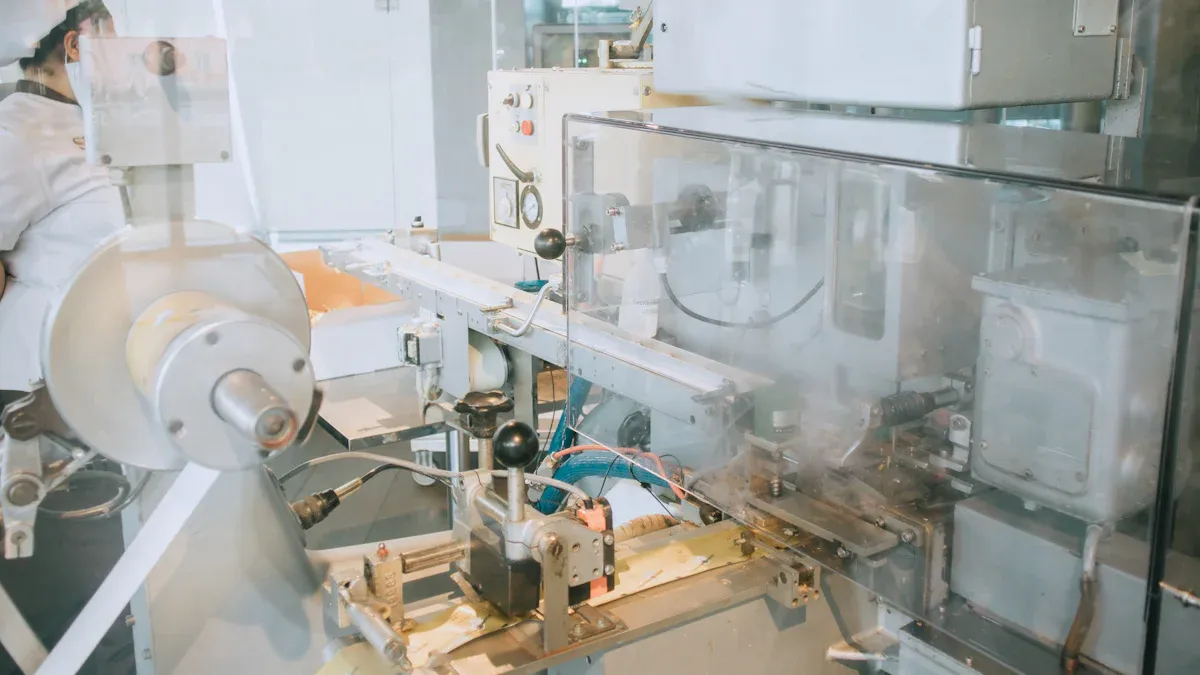
Successfully developing custom rotomolding products with Chinese suppliers requires meticulous planning, clear communication, and robust quality control. The global rotomolding market was valued at $1.90 billion in 2024. It is projected to reach $3.03 billion by 2032. This shows a compound annual growth rate (CAGR) of 6.1%. My journey to Custom Rotomolding China begins with these critical steps. This market is growing. It offers vast opportunities for innovation.
Key Takeaways
- Plan your custom rotomolding project carefully. Define what your product needs. Design it so it is easy to make. Set a budget and timeline.
- Choose the right supplier in China. Research them well. Check their quality and how much they can produce. Ask for samples and quotes.
- Protect your product ideas. Register your trademarks in China. Use special agreements to keep your designs safe. Make sure your products are good quality with regular checks.
Understanding Custom Rotomolding and Its Advantages
What is Rotomolding Technology?
I understand rotomolding's core idea. It spreads material inside a mold. This creates objects matching the mold's shape. This core concept is over 200 years old. It remains central today. The rotomolding process involves five steps. First, I heat polymer powder in a Rotational Molding machine. I place the powder-filled mold into an oven. Then, I rotate the machine. This melts the plastic. It fills the mold's spaces. Next, I let the plastic solidify. Finally, I remove the solidified plastic from the mold. Operators must understand fundamental elements. These include temperature, pressure, and recipe time.
Benefits of Custom Rotomolding
I see many benefits in custom rotomolding. Parts are lighter than metal and fiberglass. This reduces transportation costs. It improves product performance and handling. I also find significant cost savings. The process needs fewer manufacturing steps. It uses less labor and equipment. Plastic materials are often more cost-effective. Rotomolding offers great design flexibility. I can create complex shapes, curves, and contours. This enables innovative and customized designs. The parts resist corrosion, UV rays, and chemicals. This ensures long-lasting durability. Products are exceptionally durable. They have a one-piece design. This avoids weak points. Wall thickness is uniform. I can add reinforcement for even greater strength. It is an affordable method. It molds multiple pieces into one. This lowers manufacturing costs. It produces minimal waste. I can often recycle this waste. It is an efficient manufacturing method. It works well for short timelines. Less tooling is necessary. I can easily swap molds for different colors. This speeds up production. Custom rotational molding gives a short lead time. This means quicker product delivery to customers. Products undergo quality assurance testing. This ensures a higher quality output. Tooling costs are economical compared to other Molding Processes. The process makes seamless, one-piece, virtually stress-free parts. They have uniform wall thickness, even in extremities.
Why Choose Chinese Suppliers for Rotomolding?
I choose Chinese suppliers for several reasons. They offer competitive pricing. Their manufacturing capabilities are vast. They can handle large production volumes. This makes Custom Rotomolding China an attractive option. I find their efficiency helps my project timelines. They have experience with diverse product types. This ensures my specific needs are met.
Strategic Planning for Your Custom Rotomolding China Project
Defining Product Specifications
I begin my Custom Rotomolding China projectby defining product specifications. This step is crucial. I consider several factors. For instance, draft angles are essential for easy de-molding. I always recommend generous draft angles. Wall thickness is another key point. The resin volume determines it. I know consistency is hard to control. Material tends to puddle in corners. Rotomolded Parts are inherently hollow. I also think about structure versus strength. Ribs or grooves add structural strength. Their design must avoid "hinge" effects. Kiss-offs provide rigidity. Foam filling adds strength or insulation. I also consider design constraints. Material properties are important. Very small parts may not hold enough material. Material bridging can occur. I maintainat least five times the design wall thickness between interior mold walls. Mechanical features are also important. Threaded metal inserts can be molded in. Spin-welded plastic fittings are an option.
Design for Manufacturability (DFM) for Rotomolding
Next, I focus on Design for Manufacturability (DFM). This optimizes my design for the rotomolding process. I avoid sharp edges. They create voids and weak points. Adding a simple radius improves strength. I use rounded walls. Large flat surfaces tend to warp. I incorporate structural features like kiss-offs. This breaks up flatness. Rotational molding is ideal for double-wall construction. This eliminates welding. I easily integrate molded-in through holes. They are stronger than machined holes. I also mold in inserts and fittings. These include metal plates or threaded inserts. They are securely integrated. I know sharp corners hinder material flow. They cause voids. Adding a radius helps. Draft angles are essential for part release. Deeply engraved textures need 3 degrees of draft. Material flow is critical. Insufficient space causes bridging. I maintain a minimum of five times the wall thickness between walls. Large flat surfaces are difficult. I incorporate ribs or crowns.
Budgeting and Timeline Management
Finally, I manage my budget and timeline. I set a realistic budget. This includes tooling costs and material expenses. I also account for shipping and quality control. I establish clear project milestones. This helps me track progress. I communicate these timelines with my Chinese supplier. I build in buffer time for unexpected delays. This ensures my project stays on track. I review costs regularly. This helps me avoid overspending.
Selecting the Right Custom Rotomolding China Supplier
Finding the right partner is a critical step for my Custom Rotomolding China project. This choice directly impacts my product's quality, cost, and delivery. I approach this selection process with careful consideration.
Research and Vetting Potential Partners
I start my search by researching potential suppliers. I know a thorough vetting process is essential. I consider conducting a factory audit. Sometimes, I use a sourcing agent's quality team. I might even visit the factory myself. Mentioning an audit early helps filter out intermediaries. I possess intimate knowledge of my product's specifications. I understand the materials, manufacturing process, and certifications needed. This helps me effectively vet suppliers and avoid scams.
I use search engines like Google. I also use Baidu for Chinese results. I check for scam reports and trade fair participation. I use databases like the Chinese Supreme Court's for legal issues. I perform background checks. I verify company registration numbers in the Chinese National Enterprise Credit Information Publicity System. I might hire specialized companies like ExamineChina or GloBis.
Online directories are useful tools. I use Alibaba, Made-in-China, and Global Sources. I cross-check details. I use them for price comparisons. I know award statuses can be purchased, so I remain cautious. I order a sufficient number of samples. I aim for 10-50 samples. This helps me accurately assess manufacturing capabilities. I avoid relying on just 1-2 'golden samples.' I use escrow services like Alipay for initial sample payments. I consider hiring a courier for pickup. This helps me verify addresses.
I request and verify the supplier's business license. I check the company name and business scope. I look for 'production' or 'manufacturing' characters. I prefer suppliers with 10+ years of establishment. I demand industry-specific certifications. I request complete test reports, not just cover pages. This verifies authenticity and product coverage. I conduct a live video call audit. I tour offices, showrooms, and production lines. I observe organization, machinery, and confirm the contact person's location. I test a sample. I am wary of 'golden samples.' I keep the approved sample as a 'control sample.' My purchase contract specifies bulk production must match it. I place a small trial order. This helps me evaluate communication, adherence to deadlines, and problem-solving skills. I do this before committing to a large order. I stay aware of red flags. These include 'too good to be true' prices. I watch for refusal of secure payment methods like Trade Assurance or L/C. I am cautious of requests to wire money to personal or different company accounts due to 'tax issues.'
I avoid trying to manage everything on my own. Sourcing from China involves legal, financial, and business risks. Sourcing agents with offices in China, Europe, and the United States can provide end-to-end assistance. This includes due diligence, communication in Mandarin, on-site inspections, dispute arbitration, and finding backup vendors. They can also conduct factory audits. They inspect production processes, equipment, and labor/technology capabilities. This ensures clear communication between me and the supplier.
Key Supplier Evaluation Criteria
When evaluating suppliers, I focus on several key criteria. These help me choose the best fit for my project.
I look at their years in operation. I assess their staff expertise. I check for factory certifications. I review their documented quality control procedures. I ask for client references. I inquire about their on-time delivery rates. I prefer rates exceeding 95%. This indicates reliability. I request third-party inspection reports for sample batches. These provide objective quality verification. I consider factory visits, either physical or virtual. This allows me to review equipment, material storage, and quality testing facilities. This is especially important for high-volume partnerships.
My evaluation criteria include:
- Quality: This covers their quality management system. I look for ISO 9001 certification. I examine their quality control processes. This includes inspection, testing, and QA protocols. I review quality control documentation. This means part inspection reports and material certifications. I check their performance history, like scrap rates and corrective actions. I review product/service specifications, such as tolerances and material substitutions. I use samples for firsthand assessment.
- Capacity: I evaluate their current production levels. I assess their ability to handle rush orders and adjust quantities. I look at resource allocation, including personnel and materials. I check their inventory management practices, like just-in-time systems. I consider their financial stability. This ensures scalability.
- Risks: I consider visibility, such as financial transparency. I look at delivery performance, including on-time rates and disaster plans. I assess market fluctuations, like material prices and labor rates. I also consider image and compliance, including legal, environmental, and regulatory history.
- Costs and Pricing: I analyze their pricing structure. I compare it with other suppliers. I look for transparency in their cost breakdown.
Requesting Quotes and Samples
Once I have a shortlist of potential suppliers, I send out a Request for Quote (RFQ). This document helps me gather detailed pricing and production information.
My RFQ includes specific questions:
- A clear description of my project.
- My estimated initial quantity.
- My estimated annual quantity.
- Whether I currently have my own tooling.
I also request samples at this stage. I want to see their actual work. I evaluate the sample's quality, finish, and adherence to my specifications. This helps me confirm their manufacturing capabilities before I commit to a larger order.
Effective Communication in Custom Rotomolding China Projects
Effective communication is vital for my Custom Rotomolding China projects. It ensures everyone understands the goals. Clear communication prevents misunderstandings.
Bridging Language and Cultural Gaps
I know language barriers can be challenging. Cultural differences also impact how we communicate. For example, "face-saving" is very important in Chinese culture. People often avoid direct criticism. This means I need to read between the lines. I also recognize hierarchy and respect. Showing respect for senior members is fundamental. Building personal relationships, known as Guanxi, is also key. These connections often influence business more than formal contracts. I invest time in building these relationships. I understand that a "yes" might mean acknowledgment, not full agreement.
Establishing Clear Communication Channels
I use various tools to keep communication clear. For quick questions, I use instant messaging like Slack or Microsoft Teams. Video conferencing is best for meetings. I can see non-verbal cues. Email works well for formal, detailed messages. It is good for non-urgent information. For managing tasks and documents, I use project management software. Tools like Trello or Asana help me track progress. I balance real-time talks with messages that can be answered later. This respects everyone's time zones.
Project Milestones and Progress Updates
I set clear project milestones. This helps me track progress. I share these milestones with my supplier. Regular updates are important. I schedule quick daily calls. These calls cover progress, plans, and any roadblocks. This keeps everyone aligned. I also establish clear guidelines for urgent questions. I set expectations for response times. This prevents important messages from getting lost.
Quality Assurance and IP Protection for Custom Rotomolding China
I know quality assurance and intellectual property (IP) protection are critical for any manufacturing project, especially when working with suppliers in China. I must safeguard my product's integrity and my company's innovations.
Implementing Robust Quality Control
I always prioritize robust quality control. It ensures my rotomolded products meet my exact specifications and perform as expected. I implement a comprehensive monitoring scheme for production, quality, safety, and costs. This helps me track key variables. I also develop a detailed quality control plan. This plan includes inspection procedures, testing protocols, and quality analysis at every stage of production. I adopt data analysis methods to track process quality, identify issues, and detect trends. Regularly reviewing monitoring and quality control processes helps me ensure continuous improvement.
For rotomolding, I focus on specific tests. I conduct impact resistance testing to ensure the product can withstand drops and rough handling. I also perform thickness testing to guarantee uniformity across the entire piece. Environmental testing verifies that the product can withstand UV rays, extreme temperatures, and other environmental stressors.
Beyond testing, I implement several best practices. I conduct visual inspections to identify defects like cracks, deformations, discoloration, or surface imperfections. Strength tests verify parts meet specifications and performance standards. I keep non-conformity records to track recurring problems and identify areas for process improvement. This leads to continuous improvement, optimizing performance, efficiency, and part quality. I also pay attention to controlled shrinkage through appropriate furnace temperature and gradual cooling, sometimes using auxiliary cooling devices. Preventive machine maintenance is crucial. This includes regular inspections, lubrication, filter replacement, and calibration to identify potential issues early. Finally, I ensure proper operator training. This covers machine operation, mold selection, temperature configuration, preventive maintenance, and safety procedures.
Factory Audits and Third-Party Inspections
I find factory audits and third-party inspections invaluable. They provide an impartial and objective assessment of my supplier's capabilities. Third-party auditors have no vested interest, which reduces bias. They offer specialized expertise in industry standards and regulations, covering areas my internal teams might miss. This reduces conflict of interest, allowing for unbiased assessments without fear of damaging relationships.
Using third-party services is also cost-efficient. I leverage existing expertise without the overhead of an internal audit team. It saves time by efficiently managing the audit process, allowing my internal teams to focus on core business activities. Third-party auditors offer global reach, enabling audits across diverse supplier networks in different countries. This enhances credibility, as these audits are viewed as more objective and rigorous, strengthening supplier-buyer relationships.
These inspections provide impartial reports because third-party companies are not affiliated with me or the manufacturer. This ensures accuracy. It is also cost-effective, as it helps identify problems early in the production chain, preventing costly defects and errors. Qualified inspectors have the necessary training, experience, and certifications for quality control and product inspections.
Ultimately, these audits and inspections ensure compliance with regulations and standards, helping me avoid legal issues and penalties. They improve product quality by identifying and correcting issues in production processes and materials before delivery. This reduces the risk of costly product recalls. They enhance supplier relations through collaborative identification and resolution of issues. I also find they identify cost-saving opportunities by improving production processes or sourcing materials more efficiently. They enhance supply chain transparency, ensuring ethical and sustainable production. This mitigates supply chain risks, such as environmental, social, or governance issues, through proactive measures. Finally, they build trust with customers by demonstrating my commitment to quality, ethics, and sustainability, increasing customer satisfaction and enhancing Corporate Social Responsibility (CSR) efforts.
Intellectual Property Safeguards in China
Protecting my intellectual property (IP) in China is a top priority. I understand China operates on a 'first-to-file' system, so I act quickly.
- File My IP in China: I register trademarks, patents, or designs early in China. This includes registering brand names and logos in both English and Chinese. I also apply for design or utility patents for unique product features.
- Utilize NNN Agreements: I replace standard NDAs with bilingual NNN (Non-Disclosure, Non-Use, Non-Circumvention) agreements. These agreements are framed under Chinese law and are enforceable in Chinese courts. They prevent manufacturers from using my designs, information, or directly engaging with my customers.
- Consult Legal Advice: I engage legal professionals specializing in Chinese IP law. They assist with IP registration, drafting enforceable contract clauses, and advising on dispute resolution and enforcement mechanisms.
- Leverage Chinese Customs Protection: I register my trademarks or patents with Chinese Customs. This enables customs authorities to detect and prevent counterfeit goods based on my designs from being exported.
I also implement other strategies. I use legal agreements, including non-disclosure agreements (NDAs) and non-compete clauses. These are comprehensive, enforceable under Chinese law, and include penalties for breaches and dispute resolution mechanisms. I collaborate with legal professionals to ensure their effectiveness. Registering patents, trademarks, and copyrights locally as early as possible provides a stronger legal standing against infringement. It allows for enforcement through Chinese courts. I engage local IP experts to navigate the registration process and ensure timely renewals.
When working on a Custom Rotomolding China project, I also consider establishing agreements like Mutual NDAs, Product Development Agreements, and Manufacturing Agreements with regional offices in North America or Europe, rather than directly with the Chinese entity. This ensures local accountability and design protection. I exercise discretion in design sharing, avoiding widely distributing design files for competitive quotes. This reduces the risk of knock-off products entering the market. Finally, I pre-agree IP ownership. I clearly define and contractually agree on IP ownership, especially when working with Original Design Manufacturers (ODMs). I ensure payments for design work explicitly state that all IP and relevant files will be provided to me upon request.
Navigating Logistics and Post-Production for Custom Rotomolding China
Understanding Incoterms and Shipping
I must understand shipping rules. These rules are called Incoterms. They tell me who pays for what. They also show who is responsible for my shipment. I need to choose the right Incoterm for my Custom Rotomolding China project.
- EXW (Ex Works): The seller makes my goods ready at their factory. I handle everything else. This includes transport, insurance, and customs. I take on the most responsibility with EXW.
- FOB (Free on Board): The seller gets my goods to the port. They load them onto the ship. They also clear them for export. My responsibility starts when the goods are on the ship. This term is only for ocean shipments.
- CIF (Cost, Insurance, and Freight): The seller pays for shipping and insurance to my destination port. The risk transfers to me when the goods are on the ship. I pay for import duties. This term is also only for ocean shipments.
Customs Clearance and Documentation
Customs clearance is a key step. I need correct paperwork. I make sure all my documents are accurate. This prevents delays. Sometimes, I hire a customs broker. They help me navigate complex import rules. They ensure my goods clear customs smoothly.
Post-Delivery Support and Feedback
After my products arrive, I expect good support. My supplier should ensure all parts meet quality standards. They should also deliver on time. Good suppliers offer ongoing help.
- Mold Maintenance: They help keep the molds in good shape. This ensures future production runs smoothly.
- Finishing: They use good methods for product accuracy. This makes sure my products look consistent.
- Assembly: They can put parts together for me. They also package products as I need.
- Warehousing / Distribution: They offer space to store my products. They can also help distribute them.
- Drop Shipping: They can ship products directly to my customers. This can be for single items or large orders.
Optimizing Tooling and Material Selection for Custom Rotomolding China
Rotomolding Tooling Options
I know tooling is a critical first step. I choose tools made from soft metals like aluminum. This material is cost-effective. It also allows for easy surface finishes. I can add fine textures, logos, and lettering. Molds for rotational molding are often cast aluminum. This makes the tooling process quick and affordable. I also consider the rotational molding machine itself. Options include rock and roll, clamshell, or carousel machines. I also need an oven, a cooling station, and control systems.
Strategic Material Selection
I carefully select the right material for my product. This choice impacts performance and durability. Here is a table of common materials and their properties:
| Material | Key Properties |
|---|---|
| Polyethylene (PE) | |
| Linear Low-Density Polyethylene (LLDPE) | Most common, wide range of grades from low to medium stiffness. |
| High-Density Polyethylene (HDPE) | Higher rigidity, surface hardness, toughness, increased chemical resistance, ideal for large tanks. |
| Cross-Linked Polyethylene (XLPE) | Enhanced impact resistance, ductile strength, improved ESCR, higher abrasion, cold temperature sustainability. |
| Other Materials | |
| Polypropylene (PP) | Greater rigidity than PE, higher heat distortion temperature, excellent chemical and ESCR, low impact strength at cold temperatures. |
| Nylon (PA) | Full engineering material performance; Nylon 11/12 processed in air, Nylon 6 requires inert atmosphere (nitrogen) due to lower material cost. |
| Polycarbonate (PC) | Very clear, transparent, high stiffness, inherent flame retardancy, lower impact resistance, requires high technical processing. |
| Plastomer | Flexible, soft touch, rubber-like qualities, easy to process, excellent impact strength (varies by grade). |
| Thermoplastic Elastomer (TPE) | Flexible grades, unique attributes, easy to process, soft touch, high and low-temperature resistance. |
| Plasticized Polyvinyl Chloride (PVC) | Liquid form (plastisol), excellent weathering and aging, highly resistant to certain chemicals, flexibility, impact, and temperature performance vary by grade. |
| Polyvinylidene Fluoride (PVDF) | Highest chemical resistance, outstanding ESCR, inherently flame retardant, excellent impact and heat resistance. |
The Four Stages of Rotomolding Process
I follow a clear four-stage process for rotomolding. Each step is important for a quality product.
- I load plastic powder into the mold.
- The mold moves into the oven's heating chamber. It rotates on two axes at a low speed. This melts the plastic.
- The mold then moves into the cooling chamber. It cools with air or water spray. It still rotates during this stage.
- I unload the mold. This reveals the finished part.
Bringing Your Custom Rotomolding China Product to Market
Regulatory Considerations
I know bringing my product to market means understanding many rules. Political factors like trade rules, government help, and taxes change the market. These rules affect how I import and export materials and finished goods. Legal factors, such as labor laws, health and safety rules, and environmental rules, affect my costs. They also impact what materials I can use and how I handle waste. I must consider several key areas:
- Environmental Regulations and Sustainability Standards
- Product Standards and Quality Control Regulations
- Trade Policies and Import/Export Regulations
- Health and Safety Regulations in Manufacturing
- Custom Duty per Country/Origin
Marketing Strategies
I plan my marketing carefully. I identify my target customers. I show them how my rotomolded product solves their problems. Online platforms and trade shows help me reach buyers. I highlight the benefits of rotomolding, like durability and design freedom. I also share my product's unique features.
Turnkey Manufacturing Solutions
I look for suppliers offering turnkey solutions. They handle everything from design to delivery. This saves me time and effort. It lets me focus on my business growth. A turnkey partner manages production, quality checks, and logistics. They make the process simple for me.
I achieve success in Custom Rotomolding China product development through careful planning. I diligently select suppliers. I use transparent communication. I also implement stringent quality control. My journey to high-quality, cost-effective rotomolded products begins with these strategic steps. This ensures a smooth transition from concept to market.
FAQ
How long does custom rotomolding tooling last?
I find rotomolding tools are very durable. They can last for thousands of cycles. This depends on the material and design. Proper maintenance extends their life.
What is the typical lead time for a custom rotomolding project?
I usually see lead times vary. It depends on product complexity and order size.
- Tooling takes 4-8 weeks.
- Production starts after tooling approval.
- Overall, expect 8-16 weeks.
Can I use recycled materials in rotomolding?
Yes, I can use recycled materials. Many rotomolding plastics are recyclable. This helps reduce waste. It also supports sustainability goals.